


High Blood Pressure and Your DOT Physical: Why It Matters for Certification
If you drive a commercial motor vehicle (CMV), your DOT physical isn’t just a routine check-up—it’s the exam that determines whether you can be medically certified to operate. Federal rules require CMV drivers to be medically certified and carry a current Medical Examiner’s Certificate while on duty. (Legal Information Institute)
One of the most common issues that affects certification length (or even qualification) is high blood pressure.
Why the DOT physical focuses on blood pressure
FMCSA’s Medical Examiner’s Handbook explains the “why” in plain terms:
- Hypertension alone is unlikely to interfere with safe driving, but risk increases when there’s target organ damage (especially cerebrovascular disease). (FMCSA)
- Very high blood pressure (Stage 3) carries a high risk for an acute blood-pressure–related event that could interfere with operating a CMV safely. (FMCSA)
In other words: the concern isn’t just the number—it’s the increased chance of a serious event that could affect safe driving.
What happens during the DOT exam if your blood pressure is high?
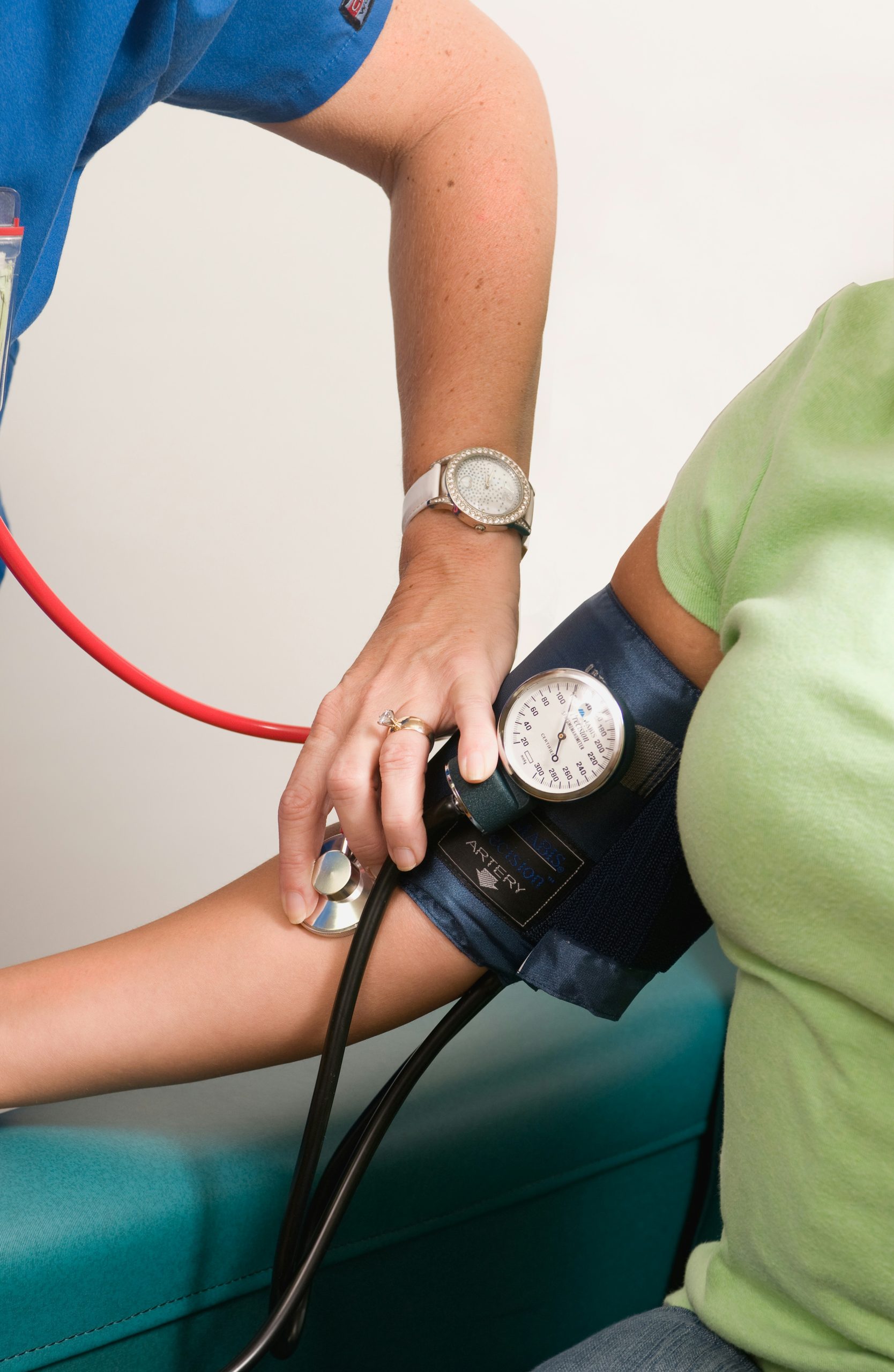
During the exam, the Medical Examiner (ME):
- Uses the blood pressure readings taken during the physical qualification exam to make certification decisions. (FMCSA)
- If a reading is greater than 139/89, it should be confirmed with a second measurement later during the exam. (FMCSA)
- The Handbook also notes an elevated finding should be confirmed by at least two subsequent measurements. (FMCSA)
That means a single first reading isn’t always the final word—but if repeat readings remain high, your certification outcome can change.
FMCSA blood pressure stages and what they mean for certification
FMCSA publishes clear guidance on how blood pressure ranges typically affect DOT certification: (FMCSA)
| Blood Pressure at Exam | Stage | Typical DOT Certification Outcome |
|---|---|---|
| Below 140/90 | — | May be certified up to 2 years (FMCSA) |
| 140–159 / 90–99 | Stage 1 | Typically 1 year (FMCSA) |
| 160–179 / 100–109 | Stage 2 | One-time 3-month certificate to start/adjust treatment; if reduced to ≤140/90, may be certified 1 year (FMCSA) |
| ≥180 / ≥110 | Stage 3 | Not qualified until BP is ≤140/90 and treatment is well tolerated; then typically 6 months, and every 6 months thereafter if controlled (FMCSA) |
FMCSA also states that a driver diagnosed with hypertension and on treatment should generally have at least annual certification. (FMCSA)
What a “3-month certificate” really means
A Stage 2 reading (160–179 / 100–109) often results in a one-time 3-month certificate so you can begin or adjust treatment and bring your BP down to ≤140/90. (FMCSA)
This is essentially a short window to:
- see your primary care clinician,
- start or adjust a plan,
- return for re-evaluation before the temporary certificate expires.
Medications: allowed, but side effects matter
Being treated for high blood pressure is not automatically disqualifying. What matters is:
- whether your blood pressure is controlled to the needed range, and
- whether treatment is well tolerated.
FMCSA specifically reminds medical examiners that many antihypertensive medications can have side effects like somnolence (sleepiness) or syncope (fainting), and drivers should be alerted that these medications may interfere with safe CMV operation. (FMCSA)
If you recently changed medications or doses, it’s especially important to make sure you feel stable and alert behind the wheel.
How to help ensure an accurate blood pressure reading on exam day
Because blood pressure can rise temporarily from common factors, measurement conditions matter. The American Heart Association advises avoiding exercise, smoking, and caffeine for at least 30 minutes before a BP reading. (www.heart.org)
The CDC’s measurement guidance also emphasizes:
- no talking
- back supported
- feet flat on the floor
- arm supported at chest/heart height
- cuff on bare skin (CDC)
These steps don’t “game” the exam—they help prevent an artificially high reading caused by poor technique or timing.
If your BP is high and your certificate is shortened: what to do next
If you receive a 1-year or 3-month certificate (or are temporarily not qualified), the path forward is usually straightforward:
- Follow up promptly with your clinician to evaluate and treat hypertension.
- Track readings over time (home monitoring can help your clinician adjust treatment).
- Return for recheck within the allowed window (especially if you received a 3-month certificate).
And remember: if your BP is in the Stage 3 range, FMCSA guidance is that you should not be qualified even for a short period until it’s reduced to ≤140/90 and treatment is well tolerated. (FMCSA)
Bottom line
High blood pressure matters in a DOT physical because it can increase the risk of an event that could affect safe driving—and FMCSA uses blood pressure stages to determine whether you’re certified for 2 years, 1 year, 3 months, or not qualified until controlled. (FMCSA)
Educational only; not medical advice. For personal guidance, talk with a licensed clinician or your certified medical examiner.
Comments are closed.