


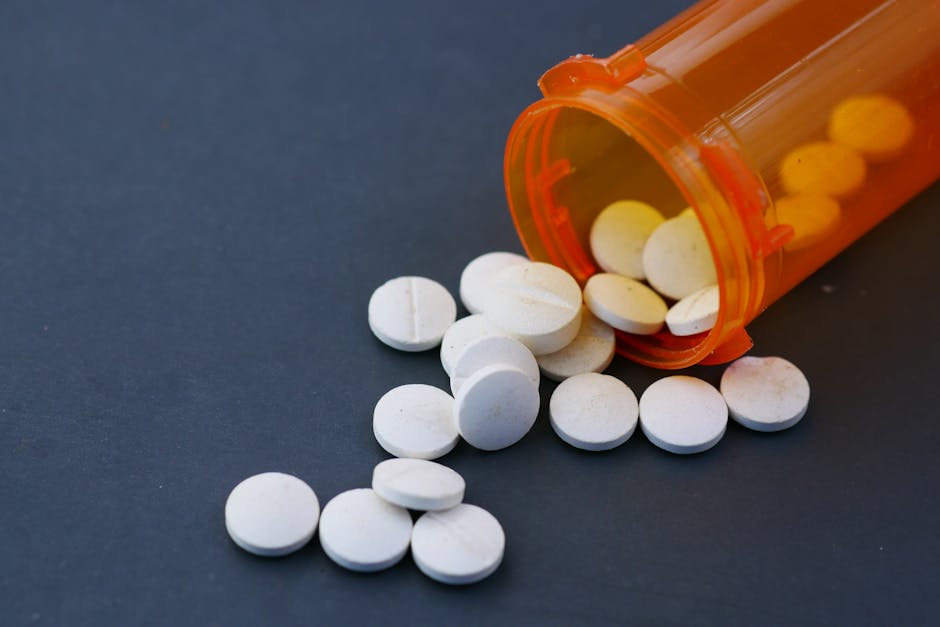
Can You Fail a DOT Physical for Taking Prescription Medication?
Understanding the DOT Physical and Prescription Medications
If you drive commercially and take prescription medication, you may have wondered whether your medication could affect your ability to pass a DOT physical exam. It is a common and important concern for CDL holders and commercial drivers across the country. The short answer is: it depends on the medication, the condition being treated, and how that condition is managed. The DOT physical is designed to ensure that drivers can safely operate a commercial motor vehicle, and certain medications — or the underlying conditions they treat — may impact that determination.
The Federal Motor Carrier Safety Administration (FMCSA) sets the medical standards that all commercial drivers must meet. These standards are evaluated by a certified DOT medical examiner during the physical examination. Understanding how prescription medications factor into that evaluation can help you prepare, avoid surprises, and stay compliant with federal regulations.
What the DOT Medical Examiner Is Looking For
During a DOT physical, the medical examiner is not simply checking whether you take a prescription medication — they are evaluating whether your overall health status is compatible with safe commercial driving. This includes assessing whether any medical condition you have, and the medications used to treat it, could impair your alertness, judgment, vision, coordination, or ability to react quickly in an emergency.
The examiner will review your full medical history, ask about all medications you are currently taking, and may request documentation from your treating physician. Being honest about your medications is not just the right thing to do — it is required. Falsifying or omitting information on the DOT medical history form can result in the loss of your commercial driving privileges.
Certain categories of medications receive closer scrutiny. These include medications that affect the central nervous system, cause drowsiness or sedation, or are used to treat conditions that may themselves be disqualifying under FMCSA guidelines.
Medications That May Raise Concerns
Not all prescription medications will cause problems during a DOT physical. However, some categories of drugs are more likely to raise concerns because of their known effects on driving-related abilities. These include:
- Opioid pain medications — Narcotic analgesics are generally disqualifying under FMCSA standards. Even if legally prescribed, their sedating effects are considered incompatible with safe commercial driving in most circumstances.
- Benzodiazepines and sedative-hypnotics — Medications such as diazepam, alprazolam, and similar drugs used for anxiety or sleep disorders may impair reaction time and alertness.
- Methadone — FMCSA regulations specifically disqualify drivers who use Schedule I drugs or methadone, even when prescribed as part of an opioid treatment program.
- Certain antiepileptic medications — Drivers taking medications to control seizures may face challenges, as the underlying seizure disorder itself can be disqualifying.
- Insulin — Insulin-treated diabetes mellitus has specific FMCSA guidelines. Drivers using insulin may be eligible for certification under an exemption program, but this requires careful evaluation.
- Stimulant medications — Medications like amphetamines used to treat ADHD are Schedule II controlled substances and are generally not permitted for commercial drivers.
This list is not exhaustive. The key factor in every case is whether the medication — combined with the condition it treats — affects your ability to safely perform the duties of a commercial driver. A certified DOT medical examiner is the appropriate person to make that determination based on your individual circumstances.
Medications That Are Typically Acceptable
Many common prescription medications do not pose a barrier to passing a DOT physical. Drivers who take medications for well-controlled conditions such as high blood pressure, high cholesterol, thyroid disorders, or mild depression may still be fully certifiable, provided the underlying condition meets FMCSA standards and the medication does not cause impairing side effects.
For example, most antihypertensive medications used to control blood pressure are generally acceptable, as long as blood pressure readings fall within the required ranges at the time of the exam. Similarly, many antidepressants — particularly newer classes such as SSRIs — are often considered acceptable on a case-by-case basis, depending on the severity of the condition, how long the driver has been on the medication, and whether there are any impairing side effects.
The important takeaway is that taking a prescription medication does not automatically mean you will fail your DOT physical. What matters most is the complete clinical picture, including the stability of your condition, the type and dose of medication, and how your body responds to it. Bringing documentation from your prescribing physician can be very helpful during your exam.
How to Prepare for Your DOT Physical If You Take Prescription Medications
Preparation is one of the most effective ways to ensure your DOT physical goes smoothly. Before your appointment, gather a complete list of all prescription medications you are currently taking, including the name of the drug, the dosage, and the frequency. Do not leave out any medications, even those you take infrequently.
If you take a medication for a condition that may require additional review — such as diabetes, heart disease, sleep apnea, or a mental health condition — consider obtaining a letter from your treating physician. This letter should explain your diagnosis, describe how well your condition is controlled, and confirm that your physician believes you are medically safe to drive a commercial motor vehicle.
Being proactive and transparent with your DOT medical examiner allows them to make the most informed and fair determination possible. Attempting to hide medications or conditions is never a good strategy and can have serious legal and professional consequences.
FMCSA Guidelines and Waiver Programs
The FMCSA recognizes that some medical conditions — and the medications used to treat them — exist in a gray area. For this reason, the agency has established several exemption and waiver programs that allow certain drivers to obtain certification even when they have conditions that would otherwise be disqualifying.
The Insulin-Treated Diabetes Mellitus exemption program is one well-known example. The FMCSA Vision Exemption Program and the Hearing Exemption Program are others. These programs require applications, supporting medical documentation, and ongoing monitoring, but they provide a legitimate path to certification for drivers with specific medical needs.
If you believe you may qualify for a waiver or exemption, speak directly with a certified DOT medical examiner. They can review your situation and guide you on the appropriate steps to take. Resources like dotmodesto.com can help connect drivers in the Modesto area with an experienced DOT examiner who understands the nuances of these programs.
Schedule Your DOT Physical at DotModesto.com in Modesto, CA
If you are a CDL driver or commercial truck driver in the Central Valley and you have questions about how your prescription medications may affect your DOT physical, the best step you can take is to speak with a qualified, certified DOT medical examiner. At DotModesto.com, DOT physicals are performed by a Board-Certified Family Nurse Practitioner in Modesto, CA. The clinic provides thorough, professional DOT physical examinations in a welcoming environment, with a focus on helping drivers understand and meet FMCSA medical standards.
Do not let uncertainty about your medications keep you from staying on the road. Many drivers with prescription medications are fully certifiable — the key is getting the right evaluation from someone who knows the regulations inside and out. Whether you have a straightforward exam or a more complex medical history, a certified examiner can help you navigate the process with confidence.
Call (350) 216-5774 today to schedule your DOT physical exam or visit dotmodesto.com to learn more. Stay compliant, stay informed, and keep driving safely.
🛒 Recommended Products for CDL Drivers
As an Amazon Associate, Affection Health Care earns from qualifying purchases. This helps support our free health content for CDL drivers.
Comments are closed.