


DOT Drug Test Panel: What Substances Are Tested in 2024
Understanding the DOT Drug Testing Program for Commercial Drivers
If you hold a commercial driver’s license (CDL) or are working toward one, understanding the Department of Transportation (DOT) drug testing program is essential to your career. The Federal Motor Carrier Safety Administration (FMCSA) requires all CDL drivers to undergo drug testing at various points in their employment — including pre-employment, random, post-accident, reasonable suspicion, return-to-duty, and follow-up testing. Knowing exactly what substances are screened can help you stay compliant and avoid costly surprises.
DOT drug testing is conducted under strict federal guidelines established by the DOT and the Substance Abuse and Mental Health Services Administration (SAMHSA). These rules apply uniformly across all DOT-regulated industries, including trucking, aviation, transit, and railroads. For CDL truck drivers specifically, compliance is not optional — a failed or refused drug test can result in immediate removal from safety-sensitive duties and can seriously jeopardize your driving career.
The Standard DOT 5-Panel Drug Test
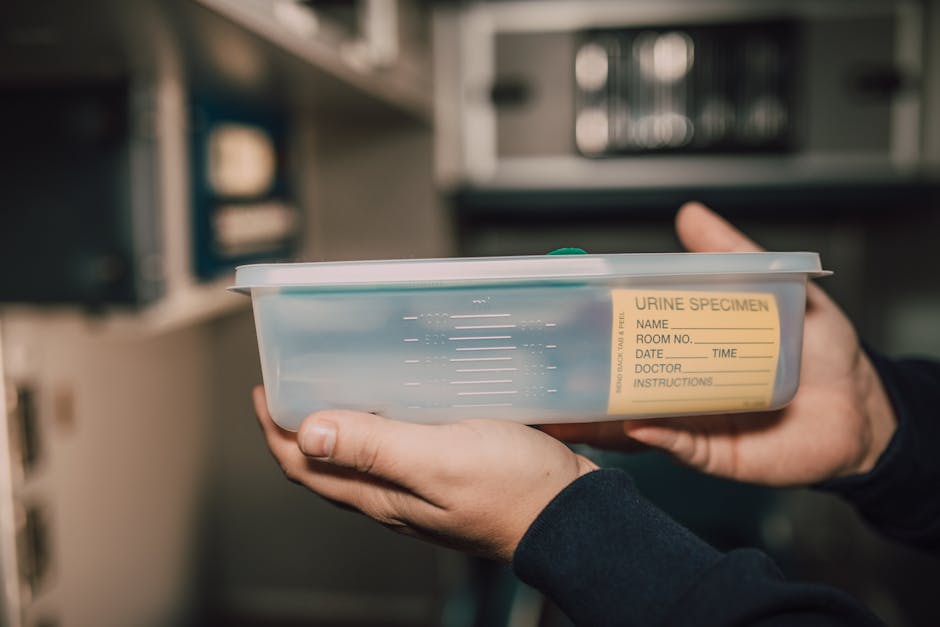
The DOT drug test screens for five categories of controlled substances, commonly referred to as the “DOT 5-panel” test. This federal test is different from many private-employer drug screens and is strictly regulated in how it is collected, handled, and analyzed. All DOT-regulated drug tests must be conducted using a urine specimen collected at a federally approved collection site and analyzed at a SAMHSA-certified laboratory.
The five substance categories included in the standard DOT drug test panel are:
- Marijuana (THC metabolites) — including all cannabis products, regardless of state legalization
- Cocaine — including cocaine and its metabolites
- Amphetamines — including amphetamine, methamphetamine, MDMA (Ecstasy), and MDA
- Opioids — including codeine, morphine, hydrocodone, hydromorphone, oxycodone, and oxymorphone
- Phencyclidine (PCP) — a hallucinogenic drug also known as angel dust
It is important to understand that the DOT drug panel has been updated over the years. The opioid category was expanded in 2018 to include semi-synthetic opioids such as hydrocodone, hydromorphone, oxycodone, and oxymorphone — significantly broadening the scope of what is tested compared to earlier versions of the panel.
Marijuana and Federal Law: A Critical Point for CDL Drivers
One of the most common points of confusion for CDL drivers involves marijuana. Even though California and many other states have legalized recreational cannabis use, marijuana remains a Schedule I controlled substance under federal law. Because DOT drug testing is governed by federal regulations, a positive marijuana result will be reported as a violation regardless of your state’s laws or whether you hold a valid medical marijuana card.
The DOT and FMCSA have issued clear guidance on this matter: there is no exception for medical marijuana under federal drug testing rules. Drivers who test positive for THC metabolites are subject to the same consequences as any other positive drug test result. This includes being immediately removed from safety-sensitive functions and being required to complete the return-to-duty process with a DOT-qualified Substance Abuse Professional (SAP).
Given how long THC metabolites can remain detectable in urine — which can vary significantly depending on frequency of use and individual metabolism — CDL drivers should be especially cautious. If you have questions about how this may affect your DOT physical or drug test eligibility, it is best to consult with a certified DOT medical examiner rather than relying on general information.
Prescription Medications and the DOT Drug Test
Many drivers are concerned about how legally prescribed medications might affect their DOT drug test results. The DOT drug test itself does not automatically screen for all prescription drugs — it tests specifically for the five substance categories listed above. However, certain commonly prescribed medications, such as opioid pain relievers and some ADHD medications (which contain amphetamines), can trigger a positive result on the standard panel.
If you are taking a prescription medication that falls into one of the tested categories, a Medical Review Officer (MRO) will contact you to verify your prescription before reporting the result to your employer. Having a valid, current prescription does not automatically mean your result will be cleared — the MRO must determine whether the prescribed medication is consistent with safe driving. Some medications may disqualify a driver from obtaining or maintaining a DOT medical certificate.
It is always a good idea to discuss any prescription or over-the-counter medications you are taking with a certified DOT medical examiner before your physical exam. Transparency with your examiner can help prevent unexpected outcomes and keep your certification on track.
How the DOT Drug Testing Process Works
The DOT drug testing process follows a carefully controlled chain-of-custody procedure to ensure the accuracy and integrity of every sample. A urine specimen is collected at a designated collection site, sealed, and sent to a SAMHSA-certified laboratory for analysis. All collections must follow DOT Part 40 procedures, which govern everything from how the specimen is collected to how results are reported.
If an initial screen comes back positive, the laboratory conducts a confirmatory test using gas chromatography-mass spectrometry (GC-MS), which is considered the gold standard for drug testing accuracy. Results are then reviewed by a licensed Medical Review Officer before being reported to the employer. This multi-step process is designed to minimize false positives and protect the rights of drivers.
Drivers should also be aware that attempting to adulterate, substitute, or refuse to provide a specimen is treated the same as a positive test result under DOT regulations. Shy bladder situations are handled through a specific protocol, and any suspicious behavior during collection may be flagged immediately.
When DOT Drug Testing Is Required
DOT drug testing is not limited to a single point in a CDL driver’s career. Federal regulations require testing in several different circumstances, including:
- Pre-employment — before a driver begins performing safety-sensitive functions
- Random testing — conducted on an unannounced, ongoing basis throughout employment
- Post-accident — required following certain qualifying accidents
- Reasonable suspicion — when a supervisor has documented reason to believe a driver may be impaired
- Return-to-duty — after a driver has completed the SAP process following a violation
- Follow-up testing — a series of unannounced tests conducted after return-to-duty clearance
Understanding when you may be subject to testing can help you remain prepared and compliant throughout your career. Keeping your contact information current with your employer and staying aware of your company’s testing policies are simple but important steps every CDL driver should take.
Schedule Your DOT Physical in Modesto, CA
Staying current on your DOT medical certification and understanding federal drug testing requirements go hand in hand for any commercial driver. Whether you are due for your biennial DOT physical, have questions about how a medication might affect your results, or simply want to speak with a knowledgeable medical professional about your compliance, getting the right guidance from a certified DOT medical examiner is the smartest first step.
Affection Health Care, the clinic behind DotModesto.com, is a trusted DOT physical exam provider in Modesto, CA operated by a Board-Certified Family Nurse Practitioner (FNP-BC). The clinic is dedicated to helping CDL drivers and truckers complete their DOT physicals efficiently and professionally, so you can stay on the road with confidence.
Ready to schedule your DOT physical or get answers to your questions? Contact Affection Health Care today at (350) 216-5774 or visit dotmodesto.com to book your appointment. Do not let your medical certificate lapse — take the next step toward keeping your CDL active and your career moving forward.
🛒 Recommended Products for CDL Drivers
As an Amazon Associate, Affection Health Care earns from qualifying purchases. This helps support our free health content for CDL drivers.
Comments are closed.