


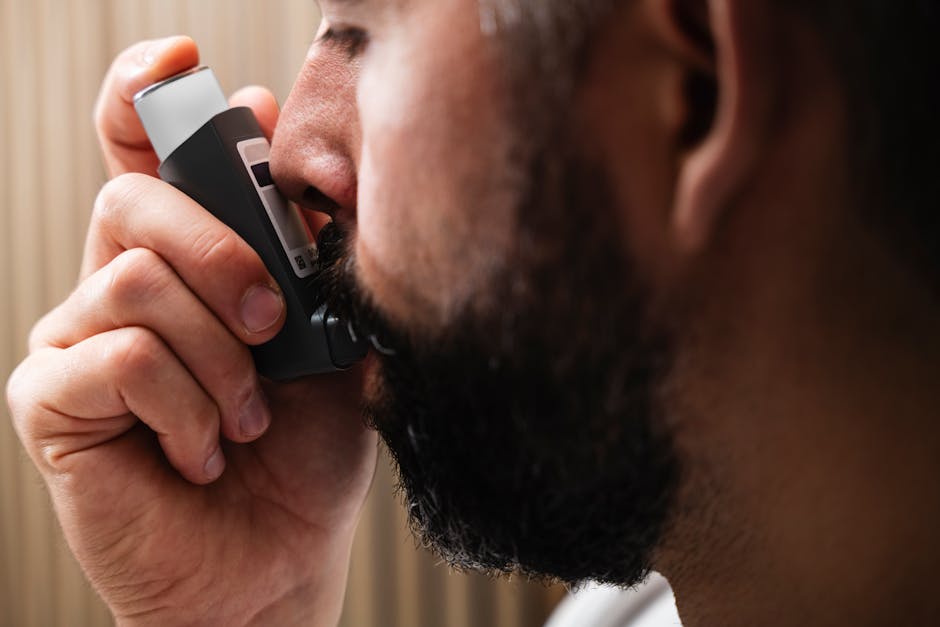
DOT Physical for Drivers with Asthma: What You Need to Know to Get Certified
Can You Get a CDL with Asthma? Understanding the Basics
Asthma is one of the most common respiratory conditions in the United States, and many commercial truck drivers live and work with it every day. If you have asthma and are preparing for your DOT physical exam, you may be wondering whether your condition will disqualify you from getting or renewing your commercial driver’s license (CDL). The good news is that asthma alone does not automatically disqualify you from DOT certification. However, the process requires careful preparation and honest disclosure.
The Federal Motor Carrier Safety Administration (FMCSA) sets the medical standards that all CDL drivers must meet. These standards are designed to ensure that drivers can safely operate commercial motor vehicles without posing a risk to themselves or others on the road. When it comes to asthma, the key concern is whether your condition is well-controlled and whether your treatment plan could impair your ability to drive safely. Understanding what examiners look for can help you walk into your appointment prepared and confident.
This article breaks down what CDL drivers with asthma need to know before their DOT physical exam, what documentation to bring, and how to maximize your chances of getting certified. Whether you are applying for a new CDL or renewing an existing one, this guide will walk you through the essentials.
How FMCSA Medical Standards Apply to Asthma
The FMCSA does not list asthma as a per se disqualifying condition. Instead, DOT medical examiners evaluate each driver on a case-by-case basis. The examiner’s goal is to determine whether your asthma is controlled enough that it will not cause a sudden incapacitating episode while you are behind the wheel. Severe, poorly controlled asthma that results in frequent emergency room visits, hospitalizations, or sudden acute attacks could raise significant concerns during the evaluation.
The pulmonary function test, or spirometry, is a critical tool that DOT medical examiners may use to assess your lung function. This test measures how much air you can exhale and how quickly you can do so. If your results fall below acceptable thresholds, the examiner may request additional medical records or a specialist evaluation before making a certification decision. Mild to moderate asthma that is well-managed with medication and shows adequate lung function on testing is generally not a barrier to certification.
It is important to understand that the examiner is not just looking at your diagnosis — they are looking at the whole picture of your respiratory health. Factors such as how recently you experienced an asthma flare-up, whether you require oral corticosteroids frequently, and how consistently you follow your treatment plan all play a role in the examiner’s assessment. Being transparent and bringing complete records gives you the best possible outcome.
Medications for Asthma and DOT Certification
One of the most common questions drivers with asthma ask is whether their medications will affect their ability to pass a DOT physical. Most standard asthma medications, including inhaled corticosteroids like fluticasone and bronchodilators like albuterol, are generally acceptable under FMCSA guidelines. These medications are widely used, well-tolerated, and do not typically cause sedation or impairment that would interfere with driving a commercial vehicle.
However, certain medications used for asthma management may raise flags during a DOT physical. For example, systemic or oral corticosteroids taken over a long period can indicate poorly controlled asthma and may have side effects that concern a medical examiner. Some antihistamines used alongside asthma treatment can cause drowsiness, which is a separate concern for safe driving. Always disclose every medication you take — prescription, over-the-counter, and supplements — on your medical history form.
Drivers should never stop taking prescribed medications before a DOT physical in an attempt to hide a condition. This is not only dishonest but potentially dangerous. Instead, work with your treating physician ahead of time to ensure your asthma is as well-controlled as possible before your exam. Bring a current medication list, and if your doctor has documented that your asthma is stable, ask for a letter or medical summary to present to the DOT medical examiner.
What Documentation Should You Bring to Your DOT Physical?
Preparation is the single most important thing you can do before your DOT physical exam when you have a chronic condition like asthma. Arriving with thorough documentation shows the examiner that your condition is being actively managed and gives them the information they need to make a fair and informed certification decision. Lack of documentation can lead to delays, additional testing requirements, or a temporary deferral.
Consider bringing the following records to your appointment:
- A complete list of all current medications, including dosages and how frequently you take them
- Recent pulmonary function test results from your primary care provider or pulmonologist
- A treatment summary or letter from your treating physician confirming your asthma is stable and well-controlled
- Records of any hospitalizations or emergency visits related to asthma in the past several years
- Documentation of any specialist care, such as visits to a pulmonologist or allergist
Having this paperwork organized and ready to present can make a significant difference in how smoothly your exam goes. DOT medical examiners appreciate drivers who take their health seriously and come prepared. If you are unsure what records to gather, consult with your treating provider well in advance of your scheduled exam date.
Tips for Managing Asthma Before Your DOT Physical
In the weeks leading up to your DOT physical, focus on optimizing your asthma management. This means consistently taking your prescribed medications as directed, avoiding known triggers such as smoke, dust, or allergens, and following up with your treating physician if you have had any recent flare-ups. A period of stability before your exam is reassuring to a medical examiner and may support a straightforward certification.
If you smoke, this is an important time to discuss cessation with your doctor. Smoking significantly worsens asthma and lung function, both of which are evaluated during a DOT physical. Drivers who smoke and have asthma may face lower spirometry scores and a more complex examination process. Your doctor can connect you with resources to help you quit if needed.
Getting adequate sleep, staying hydrated, and avoiding respiratory irritants in the days before your exam can also help ensure your lung function is at its best on exam day. While these are general wellness practices, they can make a measurable difference in how you perform on breathing tests. Always prioritize your health year-round, not just before a scheduled exam.
Understanding Certification Outcomes for Drivers with Asthma
After evaluating your medical history, physical exam findings, and any test results, the DOT medical examiner may take several actions. If your asthma is well-controlled and your lung function meets acceptable standards, you may receive a full two-year medical certificate. If your condition requires closer monitoring, the examiner may issue a certificate valid for a shorter period, such as one year, and require you to return for follow-up evaluation.
In some cases, an examiner may defer a decision and request additional records or a specialist evaluation before issuing a certificate. This is not the same as a disqualification — it is simply a request for more information. Drivers who receive a deferral should follow through promptly with any requested steps, as delays can affect their ability to work.
If you disagree with a certification decision, you have the right to seek a second opinion from another certified DOT medical examiner. Keep in mind that all DOT physical examiners are listed in the FMCSA National Registry of Certified Medical Examiners, and only examiners on that registry are authorized to perform DOT physicals for CDL certification.
Schedule Your DOT Physical at DotModesto.com in Modesto, CA
If you are a CDL driver with asthma in the Modesto area and are ready to schedule your DOT physical exam, DotModesto.com is here to help. Operated by a Board-Certified Family Nurse Practitioner (FNP-BC) and listed on the FMCSA National Registry, the clinic is experienced in evaluating drivers with chronic health conditions including respiratory issues like asthma. The team understands the unique demands placed on commercial drivers and is committed to providing thorough, professional, and efficient DOT physical exams.
At DotModesto.com, drivers are treated with respect and given the time they need to discuss their medical history and ask questions. Whether you are coming in for your first CDL physical or renewing your existing certificate, the clinic provides a welcoming environment where your health and your livelihood both matter. Serving the Modesto, CA community, the clinic makes it easy for local drivers to meet their FMCSA medical requirements without unnecessary delays.
Do not wait until your current medical certificate is expiring to take action. Call (350) 216-5774 today to schedule your DOT physical exam with the certified medical staff at Affection Health Care in Modesto. Come prepared, bring your documentation, and take the first step toward getting certified so you can get back on the road with confidence. Your health and your career are worth the effort — and the right examiner can make all the difference.
🛒 Recommended Products for CDL Drivers
As an Amazon Associate, Affection Health Care earns from qualifying purchases. This helps support our free health content for CDL drivers.
Comments are closed.