


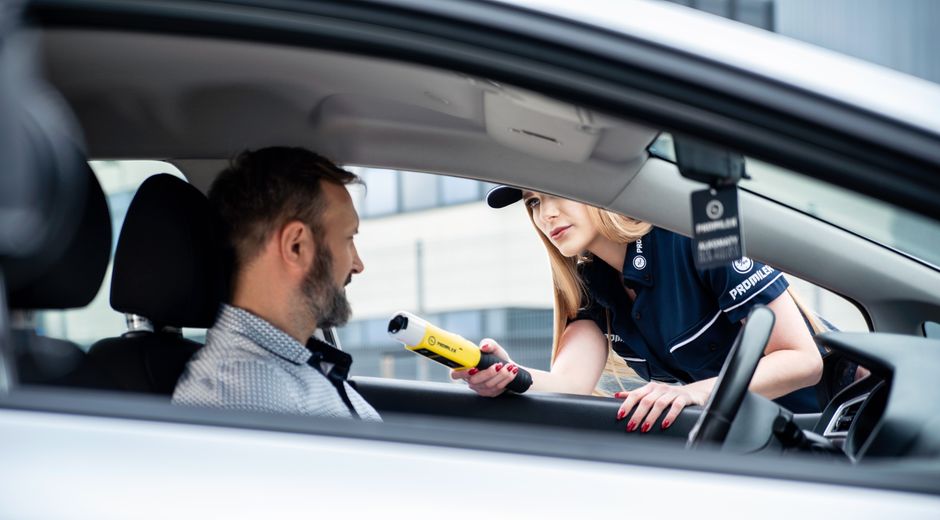
DOT Alcohol Testing Rules for Truck Drivers: What You Need to Know
Introduction: Why Alcohol Testing Matters for Commercial Drivers
For commercial driver’s license (CDL) holders, understanding the federal rules around alcohol testing is not optional — it is a professional and legal necessity. The Federal Motor Carrier Safety Administration (FMCSA) enforces strict alcohol testing regulations to protect drivers, passengers, and everyone sharing the road with large commercial vehicles. Violating these rules can end a driving career and carry serious legal consequences.
Whether you are a new CDL driver just entering the industry or a seasoned trucker with years behind the wheel, staying informed about DOT alcohol testing rules helps you protect your livelihood and your safety record. The regulations governing alcohol testing are found under 49 CFR Part 382, and every driver subject to commercial driving regulations should understand what they require.
This article breaks down the key alcohol testing rules that apply to truck drivers, including when testing occurs, what the legal limits are, and what happens if a driver tests positive. If you have questions about how your health or testing history may affect your DOT medical certification, speaking with a qualified DOT medical examiner is always recommended.
The Legal Alcohol Limit for CDL Drivers
The alcohol limit for commercial drivers is significantly lower than the standard limit applied to non-commercial motorists. Under FMCSA regulations, a commercial driver is prohibited from operating a commercial motor vehicle (CMV) with a blood alcohol concentration (BAC) of 0.04% or higher. By comparison, the limit for most passenger vehicle drivers in the United States is 0.08%.
There is also a lower threshold known as the 0.02% action level. If a driver tests between 0.02% and 0.039% BAC, they must be removed from safety-sensitive duties for a minimum of 24 hours. While this does not trigger the same consequences as testing at or above 0.04%, it still results in an immediate work stoppage and is documented in the driver’s record.
Additionally, drivers are prohibited from consuming alcohol within four hours before performing any safety-sensitive function, including driving. This rule applies regardless of whether a driver ultimately tests below the legal limit. The FMCSA takes a conservative approach to alcohol because the stakes in commercial driving are simply too high to allow any meaningful impairment.
When DOT Alcohol Testing Takes Place
FMCSA regulations specify several distinct circumstances under which a CDL driver may be required to submit to alcohol testing. Understanding each type helps drivers know what to expect throughout their careers.
- Pre-employment testing: While DOT pre-employment testing for alcohol is not always required before a driver’s first safety-sensitive job, employers may conduct it at their discretion. Pre-employment drug testing, however, is mandatory.
- Reasonable suspicion testing: A trained supervisor who observes signs of alcohol use — such as slurred speech, the smell of alcohol, or erratic behavior — can require a driver to submit to testing.
- Post-accident testing: After certain accidents involving a CMV, alcohol testing must occur within two hours when possible, and no later than eight hours after the accident. If testing cannot be completed within eight hours, the employer must stop attempts and document why.
- Random testing: FMCSA-regulated employers must conduct random, unannounced alcohol testing. The current minimum annual random testing rate set by the FMCSA is 10% of the average number of driver positions.
- Return-to-duty testing: Drivers who have violated alcohol regulations must test negative before returning to safety-sensitive duties.
- Follow-up testing: After returning to duty, drivers are subject to unannounced follow-up testing for a period determined by a Substance Abuse Professional (SAP).
Each testing type serves a specific purpose in maintaining safety across the commercial transportation industry. Drivers should be familiar with all of them, as any one could apply at any point during their career.
Consequences of Violating DOT Alcohol Rules
The consequences of an alcohol violation under DOT regulations are serious and can be career-altering. A driver who tests at or above 0.04% BAC, refuses to test, or otherwise violates alcohol regulations is immediately removed from all safety-sensitive functions. This means no driving, no dispatching involving driving, and no other regulated duties until the return-to-duty process is completed.
The driver must be evaluated by a Substance Abuse Professional (SAP), who determines what education or treatment is necessary before the driver can be considered for return to duty. The SAP also sets the terms for follow-up testing. Importantly, there is no set timeline for this process — it depends on the individual assessment and the treatment plan prescribed.
Beyond the immediate consequences, an alcohol violation is reported to the FMCSA Drug and Alcohol Clearinghouse, a federal database that employers are required to query when hiring CDL drivers and annually for current employees. A violation record in the Clearinghouse can significantly impact a driver’s ability to find employment with another carrier until the return-to-duty process is fully completed and documented.
Refusal to Test: A Serious Violation on Its Own
Many drivers are surprised to learn that refusing to submit to a required alcohol test is treated the same as testing positive. A refusal can include outright declining to test, failing to appear at the testing site, leaving before the test is completed, or providing an insufficient breath sample without a valid medical explanation.
A refusal triggers the same consequences as a confirmed positive result: immediate removal from safety-sensitive duties, mandatory SAP evaluation, and a record in the FMCSA Drug and Alcohol Clearinghouse. Drivers should never assume that refusing a test will help them avoid consequences — it will not.
If you believe a test was ordered improperly or conducted incorrectly, the appropriate response is to comply with the test and then dispute the circumstances through the proper channels afterward. Refusing in the moment only compounds the situation and creates an automatic violation record.
How Alcohol Testing Relates to Your DOT Physical
While the DOT physical exam and alcohol testing are separate processes, they are both part of the broader framework of federal safety oversight for commercial drivers. Your DOT medical examiner reviews your overall health, including any history of alcohol use disorders, which can affect your medical certification status.
Drivers with a documented history of alcohol dependence or abuse may face additional scrutiny during the DOT physical. A certified medical examiner will evaluate whether the condition is well-managed and whether the driver meets federal medical standards for certification. Honest disclosure during your physical is essential — withholding relevant medical history can result in disqualification or legal consequences down the road.
If you are due for your DOT physical in the Modesto area and have questions about how your health history might be evaluated, DotModesto.com is a trusted local resource. The clinic is operated by a Board-Certified Family Nurse Practitioner and is experienced in guiding CDL drivers through the medical certification process.
Schedule Your DOT Physical in Modesto Today
Staying compliant with FMCSA regulations means keeping both your medical certification and your understanding of testing rules current. A valid DOT medical card is required to operate a commercial motor vehicle, and renewing it on time is every driver’s responsibility.
At Affection Health Care, located in Modesto, CA, CDL drivers can receive their DOT physical from a knowledgeable, Board-Certified Family Nurse Practitioner who understands the unique health and compliance needs of commercial drivers. The clinic is listed at dotmodesto.com and serves drivers throughout the Modesto area and the surrounding Central Valley region.
Don’t let an expired medical certificate sideline your career. Call (350) 216-5774 today to schedule your DOT physical exam at Affection Health Care in Modesto. Getting certified quickly and correctly means you can stay on the road, stay compliant, and keep your livelihood secure. Your health and your CDL are worth protecting — take the next step today.
🛒 Recommended Products for CDL Drivers
As an Amazon Associate, Affection Health Care earns from qualifying purchases. This helps support our free health content for CDL drivers.
Comments are closed.