


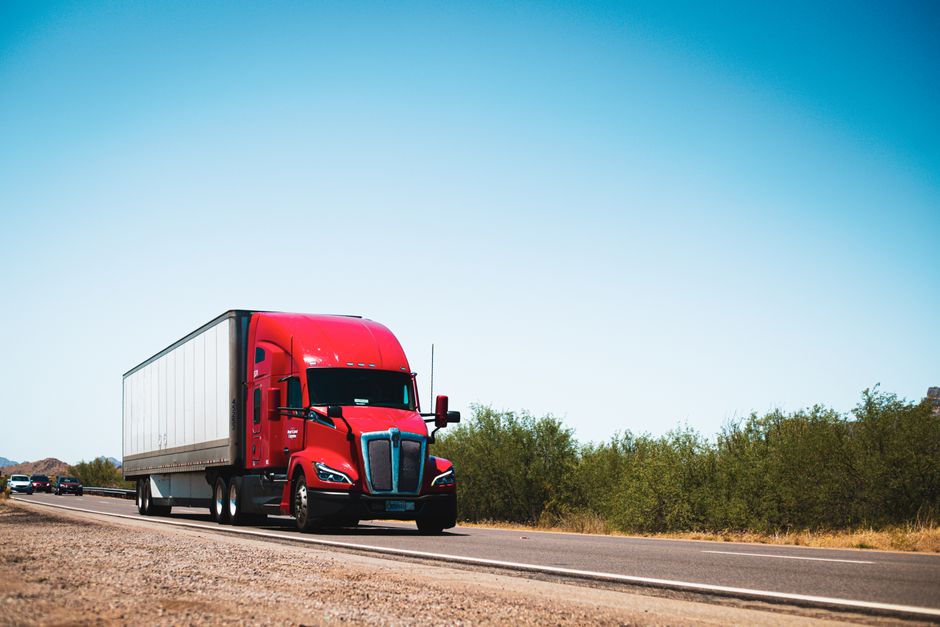
DOT Physical for Interstate vs Intrastate Drivers: What’s the Difference?
Understanding the DOT Physical Requirement for Commercial Drivers
If you drive a commercial motor vehicle for a living, you are likely familiar with the term “DOT physical.” This mandatory medical examination ensures that commercial drivers are physically and mentally fit to safely operate large vehicles on public roads. However, not all commercial drivers are subject to the same federal rules. Whether you drive across state lines or stay within California’s borders can significantly affect which medical certification standards apply to you.
The distinction between interstate and intrastate drivers is one that many truck drivers overlook — sometimes to their own detriment. Understanding which category you fall into, and what that means for your DOT physical requirements, can help you stay compliant, avoid costly violations, and keep your commercial driver’s license (CDL) in good standing. This article breaks down the key differences so you can approach your next medical exam with confidence.
What Is Interstate Commerce?
Interstate commerce refers to the transportation of passengers or cargo that crosses state lines. If you regularly drive from California to Nevada, Arizona, Oregon, or any other state, you are operating in interstate commerce. This also applies if your route stays within California but the cargo you are hauling originates from or is destined for another state. The nature of the cargo’s journey — not just your personal driving route — is what the Federal Motor Carrier Safety Administration (FMCSA) uses to define interstate commerce.
Drivers who operate in interstate commerce are subject to federal regulations established by the FMCSA under 49 CFR Part 391. These rules require interstate commercial drivers to obtain and maintain a valid Medical Examiner’s Certificate issued by a certified medical examiner listed on the FMCSA National Registry. The physical examination must be renewed at least every two years, though some medical conditions may require more frequent recertification.
What Is Intrastate Commerce?
Intrastate commerce refers to the transportation of goods or passengers that occurs entirely within the borders of a single state. If you are a California-based truck driver whose routes, cargo origins, and cargo destinations are all within California, you are likely operating in intrastate commerce. California regulates its own intrastate commercial drivers through the California Department of Motor Vehicles (DMV) and related state agencies.
California intrastate drivers are subject to the state’s own medical standards, which are found in the California Code of Regulations. In many cases, California has adopted federal FMCSA standards for intrastate drivers as well, but there are some differences in exemptions and waivers that may apply. Because the rules can be nuanced, it is important to verify your specific classification with your employer, carrier, or a qualified DOT medical examiner before assuming which standards govern your situation.
Key Differences in Medical Standards
For most practical purposes, interstate commercial drivers must meet the FMCSA’s federal physical qualification standards. These cover a wide range of health areas including vision, hearing, blood pressure, cardiovascular health, diabetes management, neurological conditions, and substance use history. A certified medical examiner will evaluate all of these areas during the DOT physical exam. Interstate drivers must also carry their Medical Examiner’s Certificate with them while on duty.
California intrastate drivers are generally required to meet similar physical standards, but there are some notable exemptions available at the state level that are not available under federal rules. For example, California has historically offered certain waivers related to vision and insulin-treated diabetes for intrastate drivers that may not be available under FMCSA rules for interstate drivers. The FMCSA has also expanded its insulin exemption program in recent years, so the gap between federal and state standards has narrowed. Regardless of your classification, a thorough DOT physical examination is an important step in verifying your qualifications.
It is also worth noting that if you hold a CDL and operate in interstate commerce, you must be medically certified under federal FMCSA standards — even if the majority of your driving happens to stay within one state. The determining factor is whether your work involves interstate commerce, not simply whether you physically cross a state border on any given day.
Common Medical Conditions That Affect Certification
Both interstate and intrastate drivers may face challenges during their DOT physical if they have certain medical conditions. High blood pressure is one of the most frequently flagged issues during commercial driver medical exams. The FMCSA sets specific blood pressure thresholds that determine the length of your medical certificate. Stage 1 hypertension may still allow for a one-year certificate, while more elevated readings may require shorter recertification periods or treatment before certification is granted.
Other commonly reviewed conditions include sleep apnea, diabetes, seizure history, vision problems, and cardiovascular disease. These conditions do not automatically disqualify a driver, but they do require careful evaluation. Some drivers may need documentation from their treating physician or specialist before a medical examiner can complete the certification process. The key is to come prepared with records and to work with a knowledgeable, certified DOT medical examiner who understands both federal and California state requirements.
Why Working With a Certified Medical Examiner Matters
Not every healthcare provider is authorized to perform DOT physical examinations. Interstate commercial drivers must be examined by a medical examiner who is listed on the FMCSA National Registry of Certified Medical Examiners. This certification requires specific training and testing to ensure that examiners understand the federal physical qualification standards. Choosing an uncertified provider for your DOT physical could result in an invalid certificate, putting your CDL and livelihood at risk.
For drivers in the Modesto, California area, DotModesto.com offers DOT physical examinations performed by a Board-Certified Family Nurse Practitioner (FNP-BC) who is listed on the FMCSA National Registry. Whether you are an interstate or intrastate driver, working with an experienced and properly certified examiner can make the process smoother, faster, and less stressful. You can reach the clinic at (350) 216-5774 to ask questions or schedule your appointment.
How to Prepare for Your DOT Physical
Preparation can make a significant difference in the outcome of your DOT physical exam. Before your appointment, gather any relevant medical records, including documentation of ongoing treatment for conditions such as high blood pressure, diabetes, or sleep apnea. If you use prescription medications, bring a current list with dosages and prescribing physician information. Drivers who use corrective lenses should bring their glasses or contacts to the exam, as vision will be tested.
On the day of your exam, avoid consuming excessive amounts of caffeine or salt, which can temporarily affect blood pressure readings. Get a full night’s sleep before your appointment. If you have been treating a medical condition and have follow-up records showing improvement, bring those as well — they can work in your favor. Being honest and thorough with your medical examiner is always the best approach, as inaccurate disclosures can lead to disqualification or legal consequences down the road.
Schedule Your DOT Physical in Modesto Today
Whether you operate in interstate or intrastate commerce, keeping your DOT medical certification current is a legal requirement and a critical part of your career as a commercial driver. Letting your medical certificate lapse can result in being placed out of service, receiving fines, or losing your CDL privileges. Staying ahead of your renewal date protects you, your employer, and everyone else on the road.
If you are a CDL driver in the Modesto, California area and need a DOT physical, consider visiting dotmodesto.com or calling (350) 216-5774 to schedule your exam at Affection Health Care. The clinic is staffed by a Board-Certified Family Nurse Practitioner with expertise in DOT medical examinations, serving commercial drivers throughout the Central Valley. Do not wait until your certificate expires — schedule your appointment today and keep your career moving forward.
🛒 Recommended Products for CDL Drivers
As an Amazon Associate, Affection Health Care earns from qualifying purchases. This helps support our free health content for CDL drivers.
Comments are closed.