


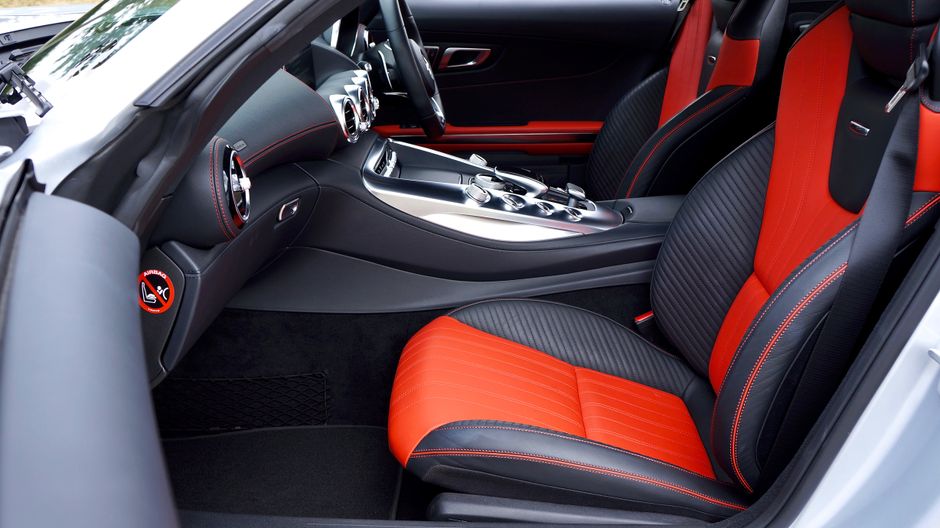
Best Seat Cushion for Truck Drivers: Comfort and Health on Long Hauls
Why Seat Comfort Matters More Than You Think for CDL Drivers
Long-haul truck drivers spend anywhere from eight to eleven hours a day — sometimes more — seated behind the wheel. That kind of sustained sitting places enormous stress on the lower back, tailbone, hips, and sciatic nerve. Over time, poor seating support can contribute to chronic pain, reduced circulation, and musculoskeletal conditions that affect not just your quality of life, but your ability to pass a DOT physical exam and keep your CDL active.
Choosing the right seat cushion is not simply about comfort — it is a practical health decision. A well-designed truck seat cushion can reduce pressure on the lumbar spine, improve posture, encourage better blood flow to the legs, and help you stay focused and alert during long drives. For CDL drivers whose livelihoods depend on staying physically qualified, small investments in ergonomic support can make a meaningful long-term difference.
This article walks you through the key types of seat cushions available, what to look for when shopping, and why taking care of your body as a professional driver is directly connected to your ability to maintain your commercial driver’s license.
Types of Seat Cushions and How They Work
Not all seat cushions are created equal, and understanding the differences can help you make a smarter purchase. The most common materials used in truck driver seat cushions are memory foam, gel, air-bladder systems, and coccyx-relief designs. Each has distinct advantages depending on your body type, the kind of pain you experience, and the length of your typical driving shifts.
Memory foam cushions contour to the shape of your body and distribute weight evenly, reducing pressure points on the tailbone and hips. They tend to hold their shape over time and provide consistent support throughout the day. Gel cushions offer excellent heat dissipation, which is particularly useful during summer months when cabin temperatures rise. Gel also provides a fluid-like pressure distribution that many drivers find easier on inflamed or sensitive tissue.
Air-bladder or inflatable cushions allow the driver to customize firmness on the fly, which is helpful for those who need different levels of support throughout a shift. Coccyx or tailbone-relief cushions feature a cutout at the rear that removes direct pressure from the base of the spine — a popular option for drivers dealing with sciatica or tailbone injuries. Some premium cushions combine gel and memory foam layers to give you the benefits of both materials.
Key Features to Look for in a Truck Driver Seat Cushion
When evaluating seat cushions, focus on features that directly address the physical demands of long-haul driving. First, look for non-slip backing. Truck seats are often smooth vinyl or leather, and a cushion that slides around during gear shifts or braking creates a safety hazard in addition to being annoying. A rubberized or textured bottom keeps the cushion anchored in place.
Second, pay attention to breathability. Sitting for extended periods generates heat and moisture, which can become genuinely uncomfortable and contribute to skin irritation. Cushions with mesh covers, ventilated foam, or gel cores tend to manage heat better than solid foam options. Third, consider thickness and height. Adding too much height can affect your line of sight or your ability to comfortably reach pedals and controls. Most truck-appropriate cushions are designed to be supportive without dramatically altering your seating position.
- Washable, removable covers for hygiene during long hauls
- Lumbar support compatibility — some cushions pair with a separate lumbar roll
- Durable construction that holds up to daily use without flattening out quickly
- Weight capacity ratings appropriate for your body size
- Anti-vibration properties to buffer road vibration over rough terrain
Road vibration is a frequently overlooked issue for CDL drivers. Studies in occupational health have identified whole-body vibration as a risk factor for lower back disorders in professional drivers. A cushion with vibration-dampening materials adds a layer of protection that standard truck seats simply do not provide.
The Connection Between Chronic Pain and Your DOT Physical
Your ability to legally operate a commercial motor vehicle depends on passing a DOT physical examination conducted by a certified medical examiner. The Federal Motor Carrier Safety Administration (FMCSA) sets medical standards that CDL drivers must meet, and chronic musculoskeletal conditions — especially those affecting the spine — can potentially impact your certification. A DOT medical examiner will evaluate your overall physical fitness, including whether any pain or mobility issues could interfere with safe driving.
Conditions such as severe lumbar disc disease, radiculopathy, or significant sciatica may require further evaluation before a medical certificate is issued. While having back pain does not automatically disqualify you from holding a CDL, it is important to address musculoskeletal symptoms proactively rather than waiting until they become debilitating or affect your exam results. Preventive ergonomic measures — including proper seating — are part of a broader strategy for maintaining your health as a professional driver.
If you have concerns about how a back condition or chronic pain might affect your DOT physical eligibility, the best course of action is to speak directly with a certified DOT medical examiner. They can review your health history, order appropriate evaluations if needed, and help you understand what documentation or treatment may be required before your certification appointment.
Additional Ergonomic Tips for Long-Haul Drivers
A quality seat cushion is one piece of the puzzle, but a comprehensive approach to ergonomic health will serve you better over a long career. Start by adjusting your seat height and angle so that your knees are roughly level with your hips and your feet rest comfortably on the pedals without stretching. Your steering wheel grip should allow a slight bend at the elbows, not a locked-out extension. These small posture corrections reduce cumulative strain over thousands of driving hours.
Stretching during mandatory rest breaks is equally important. Simple movements — hip flexor stretches, hamstring stretches, and gentle spinal rotations — counteract the shortening and tightening that occurs from prolonged sitting. Even five to ten minutes of movement every two to three hours can measurably reduce stiffness and improve circulation. Staying hydrated also plays a role; dehydrated spinal discs are more vulnerable to compression injury.
- Adjust mirrors so you avoid repeated awkward neck turns
- Use a lumbar support roll in addition to a seat cushion for full spinal coverage
- Wear supportive footwear that does not add unnecessary leg fatigue
- Consider compression socks to improve lower leg circulation on extended routes
Choosing Quality Over Price for Long-Term Health
It can be tempting to purchase the least expensive cushion available, but a low-quality product that flattens within a few weeks provides little real benefit. Professional drivers who are on the road for weeks at a time need durable, well-constructed products that maintain their supportive properties over extended use. Think of a quality seat cushion as a tool of your trade — something worth investing in because your physical health directly affects your productivity and your ability to keep working.
Reading verified reviews from other truck drivers specifically — not office workers or casual users — gives you the most relevant feedback. Look for comments about how well the cushion holds up after months of daily use, whether it stays in place on vinyl seats, and how it performs during summer heat. Many professional driver forums and communities share product recommendations based on real-world long-haul experience, which is far more useful than generic product descriptions.
Schedule Your DOT Physical in Modesto, CA
Taking care of your body on the road is essential, but so is staying current with your DOT medical certification. If you are a CDL driver in or near Modesto, California, DotModesto.com offers DOT physical examinations performed by a Board-Certified Family Nurse Practitioner. The clinic understands the unique health challenges facing commercial drivers and provides thorough, professional evaluations in a convenient location.
Whether you are due for a routine renewal, addressing a health condition that may affect your certification, or getting a physical for the first time, the team at Affection Health Care in Modesto is ready to help. Do not let an expired or lapsing medical certificate put your livelihood at risk. Staying proactive about your DOT physical is just as important as staying proactive about your physical health on the road.
Call (350) 216-5774 or visit dotmodesto.com to schedule your DOT physical examination today. Keep your certification current, your body supported, and your career moving forward.
🛒 Recommended Products for CDL Drivers
As an Amazon Associate, Affection Health Care earns from qualifying purchases. This helps support our free health content for CDL drivers.
Comments are closed.