


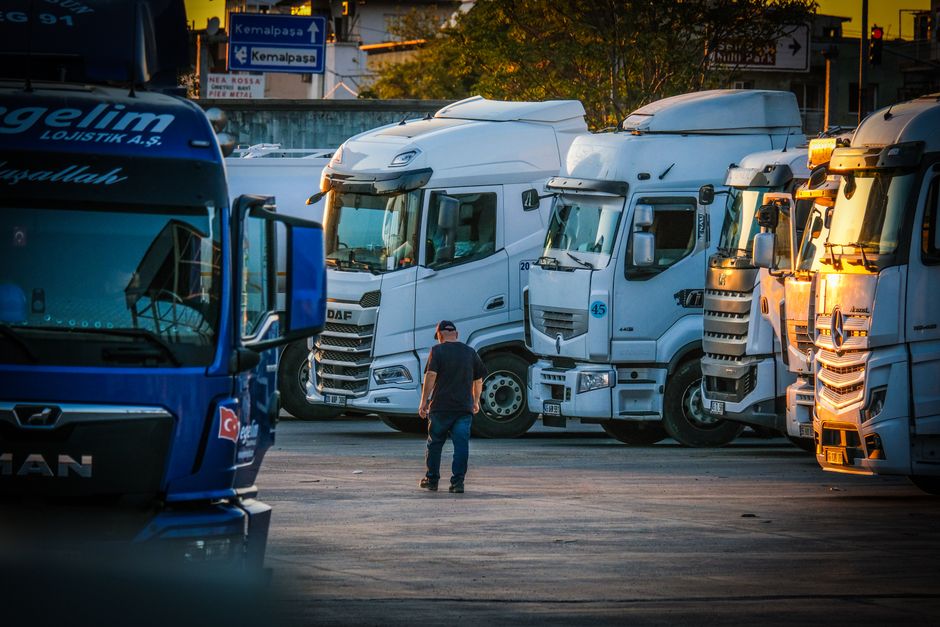
Healthy Eating Tips for Truck Drivers: Stay Fit on the Road
Why Nutrition Matters More Than Ever for CDL Drivers
Life behind the wheel of a commercial truck is demanding in ways that most people never see. Long hours, irregular schedules, limited food options, and sedentary driving conditions create a perfect storm for poor dietary habits. For CDL drivers, however, maintaining good nutrition is not just a personal health goal — it directly affects alertness, reaction time, and overall safety on the road.
The Federal Motor Carrier Safety Administration (FMCSA) requires that commercial drivers meet specific medical standards to obtain and renew their DOT Medical Certificate. Conditions such as obesity, high blood pressure, high cholesterol, and type 2 diabetes can all affect a driver’s ability to qualify. Many of these conditions are closely tied to diet. By making smarter food choices on the road, truck drivers can protect both their health and their livelihood.
This guide is designed to give CDL and truck drivers practical, realistic nutrition strategies that work within the real-world constraints of long-haul driving. These are not quick fixes — they are sustainable habits that can make a meaningful difference in how you feel, how you perform, and how you fare at your next DOT physical exam.
The Biggest Nutritional Challenges Truck Drivers Face
Understanding the obstacles is the first step toward overcoming them. Truck drivers face a unique set of challenges when it comes to eating well. Truck stops and fast food restaurants dominate the roadside landscape, and time pressure often makes convenience the top priority. When you are working to meet delivery deadlines, spending thirty minutes preparing a balanced meal may feel impossible.
Irregular sleep schedules also play a significant role. Poor sleep disrupts hunger hormones like leptin and ghrelin, causing increased cravings for high-calorie, high-sugar foods. This creates a cycle where fatigue leads to poor eating, which leads to more fatigue. Over time, this pattern contributes to weight gain, metabolic issues, and increased risk for cardiovascular problems.
Portion sizes at truck stop restaurants and fast food chains tend to be oversized, and the menus lean heavily toward fried, salty, and processed options. While it may not always be possible to eat perfectly, recognizing these pitfalls allows drivers to make more intentional choices rather than defaulting to whatever is fastest and most available.
Smart Food Choices You Can Make Right Now
Even when eating on the road, there are better and worse choices available at nearly every stop. At fast food restaurants, opting for grilled items over fried, choosing water or unsweetened drinks over soda, and skipping oversized combo meals can all make a meaningful difference. Many chains now offer salads, fruit cups, and protein-based options that were not available a decade ago.
Truck stop restaurants often have more flexibility than you might expect. Many offer grilled or baked proteins, vegetable sides, and soup options that are far better nutritionally than a double cheeseburger and fries. Do not be afraid to ask for substitutions — swapping fries for a side salad or requesting sauces on the side gives you more control over what you actually consume.
When possible, stocking your cab with healthy snacks is one of the most effective strategies available to truck drivers. Consider keeping items like the following on hand:
- Nuts and seeds — high in healthy fats and protein, easy to portion out
- Fresh or dried fruit — provides natural sugar and fiber without the crash
- String cheese or cottage cheese cups — convenient protein sources
- Whole grain crackers — a better alternative to chips or pastries
- Pre-cut vegetables with hummus — filling and nutrient-dense
- Hard-boiled eggs — portable, high-protein, and easy to prepare in bulk
Hydration: The Overlooked Key to Driver Health
Many truck drivers deliberately limit their water intake to avoid making frequent restroom stops. While this is understandable from a practical standpoint, chronic dehydration has serious consequences. Dehydration impairs cognitive function, increases fatigue, and can cause headaches and difficulty concentrating — all of which directly compromise driving safety.
Caffeinated beverages like coffee and energy drinks are staples for many drivers, but they are not a substitute for water. Caffeine is a mild diuretic, meaning it can contribute to fluid loss over time. Relying on coffee or energy drinks throughout the day without supplementing with water can leave you more dehydrated than you realize.
A practical goal is to aim for consistent water intake throughout your shift rather than drinking large quantities at once. Keeping a refillable water bottle within reach in the cab is a simple habit that can make a real difference. Reducing intake of sugary drinks and sodas also helps, as these beverages contribute empty calories and can spike blood sugar levels, leading to energy crashes during long hauls.
How Diet Connects to Your DOT Physical Results
Your DOT physical exam evaluates a wide range of health metrics that are directly influenced by what you eat. Blood pressure is one of the most commonly flagged issues among commercial drivers, and it is strongly affected by sodium intake. The typical American diet — especially food from restaurants and processed sources — is very high in sodium. Reducing sodium consumption can help bring blood pressure into a healthier range over time.
Blood sugar levels are another critical area. Drivers with uncontrolled diabetes face significant certification restrictions under FMCSA guidelines. A diet low in refined sugars and high in fiber and lean protein helps stabilize blood sugar and supports better metabolic health overall. Weight management is also relevant, as extreme obesity can affect sleep apnea evaluation during the DOT physical process.
Cholesterol levels, which are checked during some DOT exams, are also influenced by dietary fat intake. Reducing saturated and trans fats found in fried foods and processed snacks can contribute to healthier cholesterol numbers. It is important to note that each driver’s health situation is unique, and if you have specific concerns about how your diet might affect your DOT physical results, you should consult with a certified DOT medical examiner for personalized guidance.
Building Long-Term Healthy Habits as a Truck Driver
Short-term dietary changes can produce real results, but the goal should always be building habits that last. Meal prepping before a long haul is one of the most effective strategies available. Spending a few hours on your days off preparing balanced meals and snacks to take with you gives you full control over ingredients, portions, and timing. A small cooler in the cab makes this approach entirely feasible.
Pairing better nutrition with even modest physical activity also amplifies results. Taking a 10 to 15 minute walk during rest stops, doing bodyweight exercises at truck stops with exercise areas, and prioritizing quality sleep all work together with healthy eating to support overall wellness. Fatigue management and nutritional habits are deeply interconnected.
Resources like dotmodesto.com are a good reminder that taking care of your health is part of a larger picture that includes staying current with your DOT medical certification. The better your overall health, the smoother your DOT physical process tends to be — and the longer you can continue doing the work you love.
Schedule Your DOT Physical in Modesto, CA
Maintaining your health on the road is an ongoing commitment, and so is keeping your DOT Medical Certificate current. If you are a CDL driver in the Central Valley area, DotModesto.com — operated by a Board-Certified Family Nurse Practitioner — offers professional, thorough DOT physical exams in Modesto, CA. The clinic is designed with truck drivers in mind, offering efficient appointments that respect your schedule and your time.
Whether you are due for your first DOT physical or need a renewal, the team at Affection Health Care in Modesto is ready to help. Do not wait until the last minute to address your medical certification needs. Getting ahead of your exam gives you time to address any health concerns that may arise — and a healthy diet is one of the best ways to set yourself up for a successful outcome.
Call (350) 216-5774 today to schedule your DOT physical exam in Modesto, CA. Your health, your license, and your career are worth the investment.
🛒 Recommended Products for CDL Drivers
As an Amazon Associate, Affection Health Care earns from qualifying purchases. This helps support our free health content for CDL drivers.
Comments are closed.