


How to Lower Blood Pressure Before a DOT Physical Exam
Why Blood Pressure Matters for Your DOT Physical
If you are a commercial truck driver, your blood pressure reading is one of the most important numbers the medical examiner will check during your DOT physical exam. The Federal Motor Carrier Safety Administration (FMCSA) sets clear blood pressure standards that all CDL drivers must meet in order to receive a valid Medical Examiner’s Certificate. Failing to meet these standards can result in a shortened certification period or, in more serious cases, disqualification from driving commercially.
Understanding how blood pressure is evaluated during a DOT physical can help you take the right steps to prepare. The FMCSA categorizes blood pressure readings into stages, and each stage determines how long your medical certificate will be valid. A reading below 140/90 mmHg typically qualifies a driver for a two-year certification. Readings above that threshold may result in a shorter certification or require follow-up before clearance is granted.
The good news is that many drivers have successfully improved their blood pressure readings through consistent lifestyle changes. While there is no guaranteed overnight fix, there are evidence-based strategies that can help you approach your exam in the best possible health. Always consult with your personal physician or a certified DOT medical examiner before making significant changes to your health routine.
Know the FMCSA Blood Pressure Standards
Before you can work toward meeting the requirements, it helps to understand exactly what those requirements are. The FMCSA uses a tiered system based on your blood pressure reading at the time of the exam. Stage 1 hypertension is defined as a systolic reading between 140 and 159 mmHg or a diastolic reading between 90 and 99 mmHg. Drivers in this range may still receive certification, but typically for a shorter period.
Stage 2 hypertension falls between 160–179 mmHg systolic or 100–109 mmHg diastolic. Drivers in this category may receive a temporary one-time certificate for up to three months, during which they must get their blood pressure under control and return for a follow-up examination. Stage 3 hypertension — a reading of 180/110 mmHg or higher — is disqualifying until blood pressure is brought under control and verified by an examiner.
Knowing which stage you are currently in gives you a realistic picture of where you stand and how much work may be needed before your exam. Speaking with a licensed medical professional well in advance of your appointment is strongly recommended so you have enough time to address any concerns appropriately.
Lifestyle Changes That Can Help Lower Blood Pressure
One of the most effective ways to lower blood pressure naturally is through changes in diet. Reducing sodium intake is a commonly recommended first step, as excess sodium causes the body to retain fluid, which increases the pressure on artery walls. The Dietary Approaches to Stop Hypertension (DASH) diet is an evidence-based eating plan that emphasizes fruits, vegetables, whole grains, lean protein, and low-fat dairy while limiting sodium, saturated fat, and processed foods.
Regular physical activity is another important factor. Even moderate exercise — such as walking briskly for 30 minutes most days of the week — has been shown to have a positive effect on cardiovascular health over time. For truck drivers who spend long hours sitting behind the wheel, finding opportunities to move during rest breaks can make a meaningful difference. Stretching, short walks at truck stops, and bodyweight exercises are all accessible options on the road.
Limiting alcohol consumption and quitting smoking are also steps that can contribute to healthier blood pressure levels. Both substances are associated with elevated blood pressure and cardiovascular strain. If you are currently using tobacco products or drinking alcohol regularly, speaking with your primary care provider about cessation resources may be a productive step in your overall health journey.
Managing Stress Before Your Exam
The demands of commercial driving — long hours, tight deadlines, and time away from family — can contribute to chronic stress, which in turn can negatively affect blood pressure. In the days leading up to your DOT physical, making a conscious effort to reduce stress can be beneficial. Techniques such as deep breathing exercises, meditation, adequate sleep, and reducing caffeine intake in the short term may help bring readings down slightly.
It is also important to avoid what is sometimes called “white coat hypertension,” a temporary spike in blood pressure caused by the anxiety of being in a medical setting. Arriving at your appointment well-rested and giving yourself plenty of time so you are not rushing can help minimize exam-day anxiety. Practicing slow, deep breathing in the waiting room before your exam is a simple strategy some drivers find helpful.
Some medical examiners will allow a brief rest period before taking your blood pressure reading if you have been physically active or have just come in from outside. Do not hesitate to ask your examiner if you need a few moments to calm down and settle before your reading is taken. A qualified DOT medical examiner understands these concerns and is there to assess your overall fitness, not to penalize you for nerves.
Medications and Medical Management
For some drivers, lifestyle changes alone may not be enough to bring blood pressure within the acceptable range. In these cases, a physician may prescribe antihypertensive medications. It is critical to note that certain blood pressure medications are acceptable under FMCSA guidelines, while others may have side effects — such as dizziness or fatigue — that can impair a driver’s ability to safely operate a commercial vehicle.
If you are currently taking blood pressure medication, bring a complete list of all your prescriptions and dosages to your DOT physical exam. The medical examiner will review your medications as part of the evaluation process. Drivers who are placed on new medications should allow adequate time for their bodies to adjust and for blood pressure readings to stabilize before sitting for their exam.
Never stop taking prescribed medications without consulting your doctor, and never attempt to manipulate your blood pressure reading through unsafe methods. The DOT physical is designed to protect not only you but also other drivers and the general public who share the road with commercial vehicles.
How to Prepare in the Days Before Your DOT Physical
In the 24 to 48 hours before your exam, there are several practical steps you can take that may support a better reading. These include:
- Limiting sodium intake by avoiding salty snacks, fast food, and processed meals
- Staying well-hydrated with water rather than caffeinated or sugary beverages
- Avoiding caffeine on the morning of your exam, as it can temporarily raise blood pressure
- Getting a full night of sleep the night before your appointment
- Avoiding strenuous physical activity immediately before your exam
- Arriving early to your appointment to allow time to relax before your reading
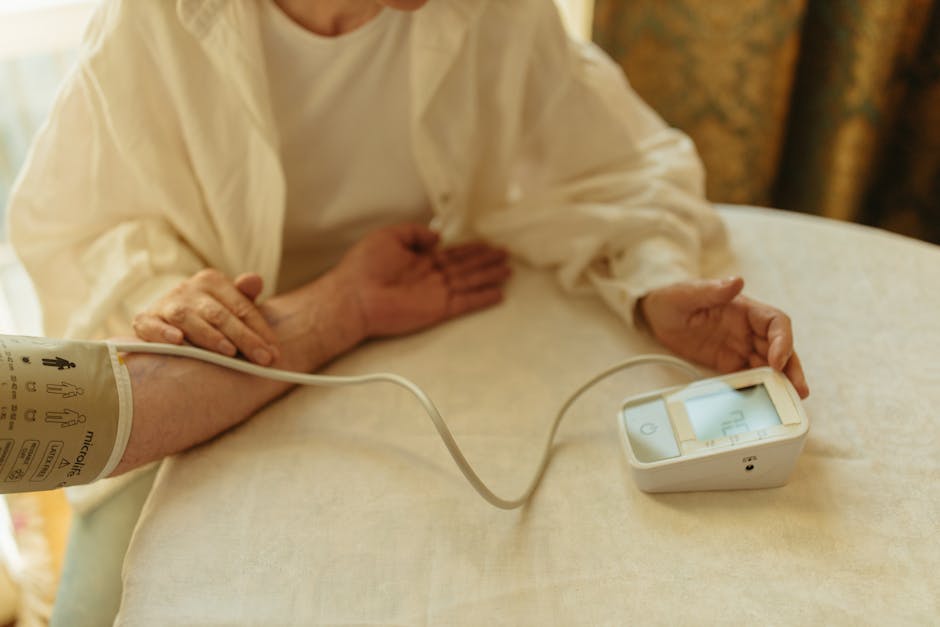
Monitoring your own blood pressure at home with a validated blood pressure cuff in the weeks leading up to your exam is also a smart approach. Home monitoring gives you a clearer picture of your typical readings versus a single in-office measurement, and it can help you and your doctor track whether your efforts are making a difference.
Remember that the DOT physical is not something to approach at the last minute. Giving yourself several weeks — or even months — of preparation time is the most reliable way to walk into your exam feeling confident and in control of your health.
Schedule Your DOT Physical in Modesto, CA
If you are a CDL or commercial truck driver in the Central Valley area, DotModesto.com is a trusted resource for your DOT physical exam needs. Located in Modesto, CA, the clinic is operated by a Board-Certified Family Nurse Practitioner (FNP-BC) who is a certified DOT medical examiner. The team understands the unique demands placed on commercial drivers and is committed to providing thorough, professional, and respectful examinations.
Whether you are coming in for a routine renewal, a first-time CDL physical, or you have concerns about blood pressure or other health conditions, the staff at Affection Health Care — the practice behind dotmodesto.com — is ready to help guide you through the process. Getting your medical certificate should not be a stressful experience, and having an experienced, knowledgeable examiner in your corner makes all the difference.
Do not wait until the last minute to take care of your health and your livelihood. Call (350) 216-5774 or visit dotmodesto.com today to schedule your DOT physical exam in Modesto, CA. Take the proactive step of preparing your body and your records well in advance, and give yourself the best possible chance of passing your exam and staying on the road doing the work you love.
🛒 Recommended Products for CDL Drivers
As an Amazon Associate, Affection Health Care earns from qualifying purchases. This helps support our free health content for CDL drivers.
Comments are closed.