


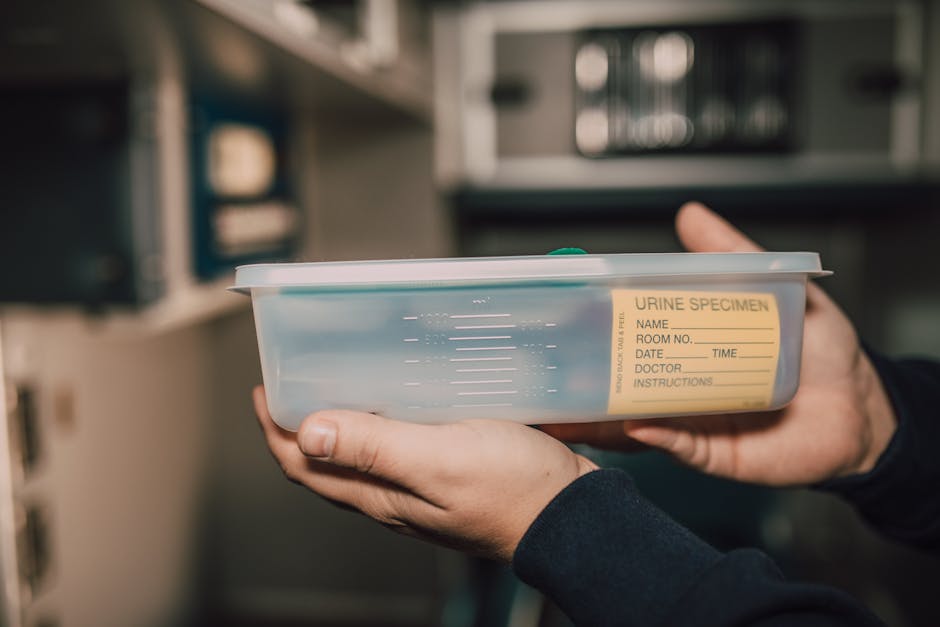
DOT Physical Urine Test: What They Check For and What to Expect
Introduction: Understanding the DOT Physical Urine Test
If you hold a Commercial Driver’s License (CDL) or are working toward one, you already know that a DOT physical exam is a non-negotiable requirement. But many drivers are uncertain about one specific component of the process: the urine test. Whether it’s your first DOT physical or your tenth, understanding what the urinalysis involves — and what it does not involve — can help you walk into your appointment with confidence.
The DOT physical urine test is a standard medical screening tool, not a pass-or-fail drug test in the way many drivers assume. It gives the medical examiner important information about your overall health and helps determine whether you meet the Federal Motor Carrier Safety Administration (FMCSA) medical standards required to safely operate a commercial motor vehicle. Knowing what to expect ahead of time makes the entire process smoother and less stressful.
What Is the Purpose of the DOT Physical Urine Test?
The urinalysis performed during your DOT physical is a medical screening required by the FMCSA. Its primary purpose is to check for underlying health conditions that could affect your ability to safely drive a commercial vehicle. The examiner is looking at specific biological markers in your urine that may indicate conditions such as diabetes, kidney disease, or urinary tract infections — not substances like drugs or alcohol.
It is important to understand that this urine test is separate from DOT drug testing. The DOT drug and alcohol testing program, governed by 49 CFR Part 40, is typically administered by your employer or a third-party administrator. The urinalysis at your physical exam is a health-screening tool administered by the medical examiner. Confusing the two is one of the most common misunderstandings among CDL drivers.
What Does the DOT Urine Test Actually Check For?
During the DOT physical, the medical examiner will conduct a dipstick urinalysis, which tests your urine sample for several specific markers. These markers give the examiner a quick snapshot of certain aspects of your health. Here is what is typically evaluated:
- Glucose (sugar): Elevated glucose in urine can be a sign of diabetes or pre-diabetes, which are conditions the examiner needs to evaluate further.
- Protein: The presence of protein in urine may indicate kidney disease or other renal issues that could affect your health and safety.
- Blood: Blood in the urine can signal kidney stones, urinary tract infections, or other conditions requiring medical follow-up.
- Specific gravity: This measures how concentrated your urine is and can indicate hydration levels or kidney function concerns.
- pH levels: Abnormal pH can point to metabolic or kidney-related conditions.
- Nitrites and leukocytes: These can indicate the presence of a urinary tract infection.
If any of these markers come back abnormal, the medical examiner may ask follow-up questions, request additional testing, or factor the results into their overall medical certification decision. An abnormal result does not automatically disqualify you from receiving your medical certificate, but it may require further evaluation before a determination is made.
What the DOT Urine Test Does NOT Screen For
One of the biggest misconceptions among CDL drivers is that the DOT physical urine test screens for drugs. This is not the case. The urinalysis at your physical is strictly a health screening — it does not test for marijuana, opioids, amphetamines, cocaine, or any other controlled substances. Drug testing under the DOT program is an entirely separate process governed by different regulations.
DOT drug testing uses a chain-of-custody process with a certified laboratory and a Medical Review Officer (MRO) to review results. This type of testing is required for pre-employment, random selection, post-accident situations, and reasonable suspicion scenarios. If you have concerns about DOT drug testing requirements, speak with your employer or a qualified DOT compliance specialist — your medical examiner handles only the health screening portion during the physical exam.
What to Expect During the Urine Collection Process
The urine collection process during a DOT physical is straightforward. You will be asked to provide a urine sample in a private restroom at the clinic. The sample is then tested on-site using a dipstick that produces results within minutes. There is no laboratory send-out required for the standard DOT physical urinalysis, which means results are available to the examiner almost immediately.
To help ensure a smooth experience, it is a good idea to stay well-hydrated before your appointment, but avoid overhydrating, as extremely diluted urine can affect the accuracy of results. Do not use the restroom immediately before your appointment if you can help it, as the examiner will need you to provide a sample on-site. If you have a known medical condition such as diabetes or kidney disease, bring documentation from your treating physician to share with the medical examiner. This context can be helpful in interpreting your results.
How Abnormal Results May Affect Your CDL Medical Certificate
If your urinalysis shows abnormal results, it does not necessarily mean you will be disqualified from receiving your DOT medical certificate. The medical examiner will consider all findings in the context of your overall health history and physical examination. For example, a driver with well-managed diabetes who has glucose present in their urine may still be certified, depending on the specifics of their condition and treatment.
The FMCSA has established specific guidelines for conditions like diabetes, kidney disease, and hypertension that medical examiners follow when making certification decisions. In some cases, a driver may be issued a conditional or time-limited medical certificate, or be required to obtain a waiver or exemption from the FMCSA. If your results require additional follow-up, your examiner will guide you on the appropriate next steps. It is always best to be transparent with your examiner about any known health conditions you are managing.
Schedule Your DOT Physical in Modesto, CA
If you are a CDL driver in the Central Valley area looking for a convenient, professional DOT physical exam, Affection Health Care — operating through DotModesto.com — is here to help. Located in Modesto, CA, the clinic is staffed by a Board-Certified Family Nurse Practitioner (FNP-BC) who is a certified DOT medical examiner listed on the FMCSA National Registry. You can expect a thorough, respectful, and efficient exam that covers every required component, including the urinalysis, vision screening, blood pressure check, and full physical assessment.
Getting your DOT physical done by a knowledgeable, certified examiner means you can trust that the process is handled correctly and in full compliance with FMCSA regulations. Whether you are renewing your medical certificate, getting certified for the first time, or managing a health condition that requires careful review, the team at DotModesto.com is ready to assist you. Do not wait until your certificate expires — proactive scheduling helps you avoid any gaps in certification that could affect your ability to work.
Call (350) 216-5774 today or visit dotmodesto.com to book your DOT physical appointment in Modesto, CA. Getting on the road starts with getting certified — and getting certified starts with a trusted medical examiner who understands the unique needs of commercial drivers. Schedule your exam today and keep your career moving forward.
🛒 Recommended Products for CDL Drivers
As an Amazon Associate, Affection Health Care earns from qualifying purchases. This helps support our free health content for CDL drivers.
Comments are closed.