


Stroke History and CDL Medical Requirements: What Drivers Need to Know
Understanding Stroke History and CDL Medical Certification
For commercial drivers, maintaining a valid CDL medical certificate is just as important as keeping a clean driving record. When a driver has a history of stroke, the path to medical certification becomes more complex. Federal motor carrier safety regulations set specific standards that all commercial drivers must meet, and a stroke history can raise serious questions about fitness for duty behind the wheel of a large commercial vehicle.
Understanding how stroke history affects DOT medical certification is essential for any CDL driver who has experienced a cerebrovascular event. Whether you are returning to driving after a stroke or simply want to be prepared, knowing the general framework of these regulations can help you work more effectively with your healthcare providers and your DOT medical examiner.
This article provides general educational information about how stroke history is evaluated in the DOT physical exam process. It is not a substitute for professional medical advice. Every driver’s situation is unique, and only a certified DOT medical examiner can make determinations about your individual fitness for duty.
What Is a Stroke and Why Does It Matter for CDL Drivers?
A stroke occurs when blood flow to part of the brain is interrupted, either by a blockage or by bleeding in or around the brain. This interruption can cause lasting neurological effects depending on the location and severity of the event. Common after-effects can include weakness on one side of the body, changes in vision, speech difficulties, cognitive changes, and challenges with coordination or balance. These potential effects are directly relevant to the safe operation of a commercial motor vehicle.
Commercial driving demands a high level of sustained attention, rapid decision-making, physical coordination, and the ability to respond quickly in emergency situations. A stroke that affects any of these functions can create serious safety risks for the driver, other motorists, and the general public. This is why the Federal Motor Carrier Safety Administration (FMCSA) takes stroke history seriously when evaluating a driver’s medical qualification.
It is also important to understand the difference between a stroke and a Transient Ischemic Attack (TIA), sometimes called a mini-stroke. A TIA produces stroke-like symptoms that resolve within a short period of time. Both events are taken into account during a DOT physical examination, and both can have implications for CDL medical certification.
FMCSA Medical Standards Related to Neurological Conditions
The FMCSA establishes the physical qualification standards for commercial drivers under 49 CFR Part 391. These standards address a range of medical conditions, including neurological disorders. A driver must not have a current clinical diagnosis of a condition likely to cause loss of consciousness or any other condition that interferes with the safe operation of a commercial motor vehicle.
Stroke and TIA fall into a category that requires careful evaluation because they may indicate an underlying vascular condition that could lead to future events. The medical examiner is tasked with determining whether the driver’s neurological status is stable and whether any residual deficits would affect safe driving ability. This is not a simple pass-or-fail checklist — it is a clinical judgment that takes into account the nature of the stroke, the time since the event, treatment received, and the driver’s current functional status.
In some situations, drivers with certain medical histories may be eligible to apply for an FMCSA exemption or may need to provide additional documentation from their treating neurologist or physician. Working closely with both your specialist and a certified DOT medical examiner is critical to understanding your options.
What to Expect During a DOT Physical After a Stroke
If you have a history of stroke or TIA, you should come to your DOT physical prepared with thorough documentation. Your DOT medical examiner will want to review the details of your stroke, including when it occurred, what type it was, how you were treated, and what your recovery has looked like. Having records from your treating physicians, neurologist, and any rehabilitation providers can help the examiner make a well-informed determination.
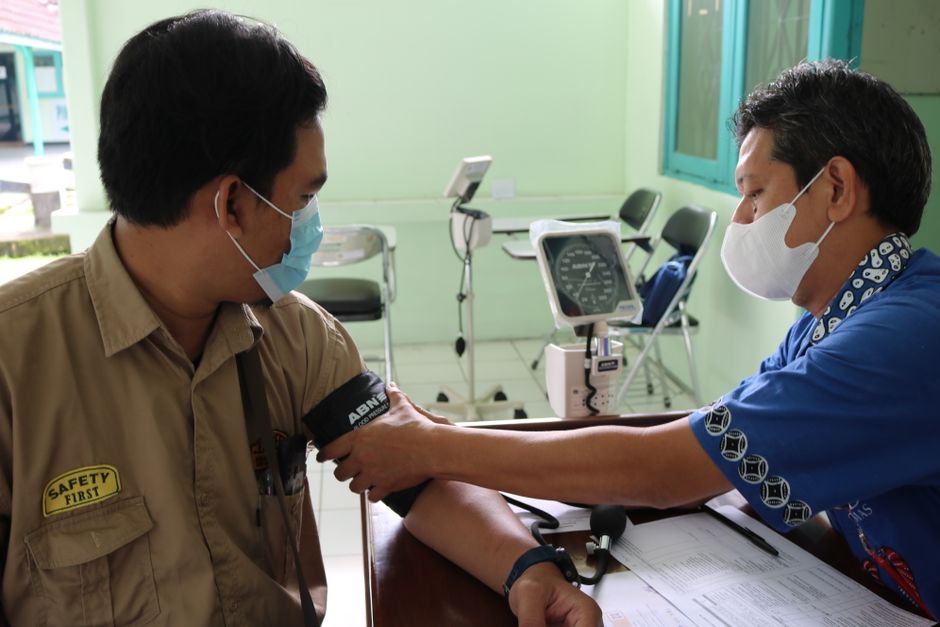
The physical examination itself will include assessments of your neurological function, vision, blood pressure, cardiovascular health, and overall physical condition. The examiner may ask detailed questions about any ongoing symptoms, medications you are taking, and whether you have made any lifestyle changes to reduce your risk of future events. Being honest and thorough during this evaluation is essential — withholding medical history is never in a driver’s best interest and can have serious legal and safety consequences.
Depending on the findings, the medical examiner may certify you for the standard two-year period, issue a shorter certification with conditions, defer a decision pending additional specialist evaluation, or determine that certification is not appropriate at the time. Each outcome is based on the specific clinical picture presented by the individual driver.
Factors That May Influence the Examiner’s Decision
Several factors can influence how a DOT medical examiner evaluates a stroke history. These generally include the time elapsed since the stroke, the severity of any residual neurological deficits, the underlying cause of the stroke and whether it has been effectively treated, current medication management, blood pressure control, and the results of any neurological testing.
A driver whose stroke was caused by a correctable condition, such as a heart arrhythmia that has been treated, and who has recovered strong neurological function, may be viewed differently than a driver with ongoing deficits or poorly controlled risk factors. The stability of the driver’s overall health picture matters significantly. Conditions like uncontrolled hypertension, diabetes, or atrial fibrillation can all be relevant factors in this evaluation.
Drivers should also be aware that their specialist’s documentation plays an important role. A letter from a treating neurologist that clearly addresses the driver’s current functional status, risk of recurrence, and opinion on fitness for commercial driving can be a valuable piece of the certification process. Organizing this documentation before your appointment can help the process move more smoothly.
Returning to Commercial Driving After a Stroke
Many drivers who have experienced a stroke understandably wonder whether their commercial driving career is over. While a stroke history does create additional hurdles in the certification process, it does not automatically disqualify a driver permanently. The outcome depends heavily on individual circumstances, recovery, and ongoing health management.
If you have had a stroke, working proactively with your medical team is the most important step you can take. Following your treatment plan, managing risk factors diligently, and keeping all follow-up appointments establishes a medical record that demonstrates your commitment to health and safety. This documentation becomes valuable evidence when you are being evaluated for CDL medical certification.
It is also worth speaking with a certified DOT medical examiner early in your recovery process rather than waiting until your certification is about to expire. Getting a clearer picture of what will be required can help you gather the right documentation and give you time to address any outstanding health concerns before your examination.
Schedule Your DOT Physical in Modesto, CA
Navigating the DOT medical certification process after a stroke requires working with an experienced, knowledgeable medical examiner who understands both the federal regulations and the clinical complexities involved. If you are a CDL driver in the Central Valley, DotModesto.com is a trusted resource for DOT physical exams in Modesto, California. The clinic is operated by a Board-Certified Family Nurse Practitioner who is registered with the FMCSA National Registry of Certified Medical Examiners.
At DotModesto.com, drivers receive thorough, professional evaluations in a welcoming environment. Whether you are completing a routine certification or navigating a more complex medical history, the goal is always to provide an accurate, fair, and complete examination that serves both your interests and public safety. Drivers with medical questions or concerns can benefit from working with an examiner who takes time to understand the full clinical picture.
To schedule your DOT physical exam, contact Affection Health Care in Modesto, CA at (350) 216-5774 or visit dotmodesto.com to book an appointment. Do not wait until your medical certificate expires — especially if you have a complex medical history that may require additional preparation and documentation. Taking action early gives you the best opportunity to maintain your certification and keep your career moving forward.
🛒 Recommended Products for CDL Drivers
As an Amazon Associate, Affection Health Care earns from qualifying purchases. This helps support our free health content for CDL drivers.
Comments are closed.