


DOT Physical Alcohol Use Disorder Requirements: What CDL Drivers Need to Know
Understanding DOT Physical Requirements and Alcohol Use Disorder
For commercial motor vehicle (CMV) drivers, maintaining a valid medical certificate is a non-negotiable part of the job. The Department of Transportation (DOT) physical exam evaluates a driver’s overall health and ability to safely operate a commercial vehicle. One area that receives careful attention during this examination is alcohol use and any history of alcohol use disorder (AUD). Understanding how the DOT evaluates this condition can help CDL drivers stay informed, prepared, and on the road legally.
Alcohol use disorder is a medical condition recognized by the American Psychiatric Association in the Diagnostic and Statistical Manual of Mental Disorders (DSM-5). It is characterized by an impaired ability to control alcohol use despite negative consequences. For CDL drivers, a diagnosis or history of AUD is taken seriously by DOT medical examiners because it directly relates to public safety on the road. Knowing the standards in advance gives drivers the best chance of a smooth certification process.
What the Federal Motor Carrier Safety Administration Says About Alcohol
The Federal Motor Carrier Safety Administration (FMCSA) sets the medical standards that all DOT-certified medical examiners must follow. Under 49 CFR Part 391.41, a driver cannot be medically certified if they have a current clinical diagnosis of alcoholism. The FMCSA defines this broadly, and a medical examiner must evaluate whether a driver’s history or current behavior suggests an ongoing problem with alcohol that could impair their ability to drive safely.
It is important to distinguish between a past history of alcohol use disorder and a current clinical diagnosis. Drivers who have successfully completed treatment and can demonstrate a sustained period of sobriety may still be eligible for certification. However, the determination is always made on a case-by-case basis by the examining medical professional. The examiner will consider the nature of the condition, the treatment received, the duration of recovery, and any ongoing support or monitoring in place.
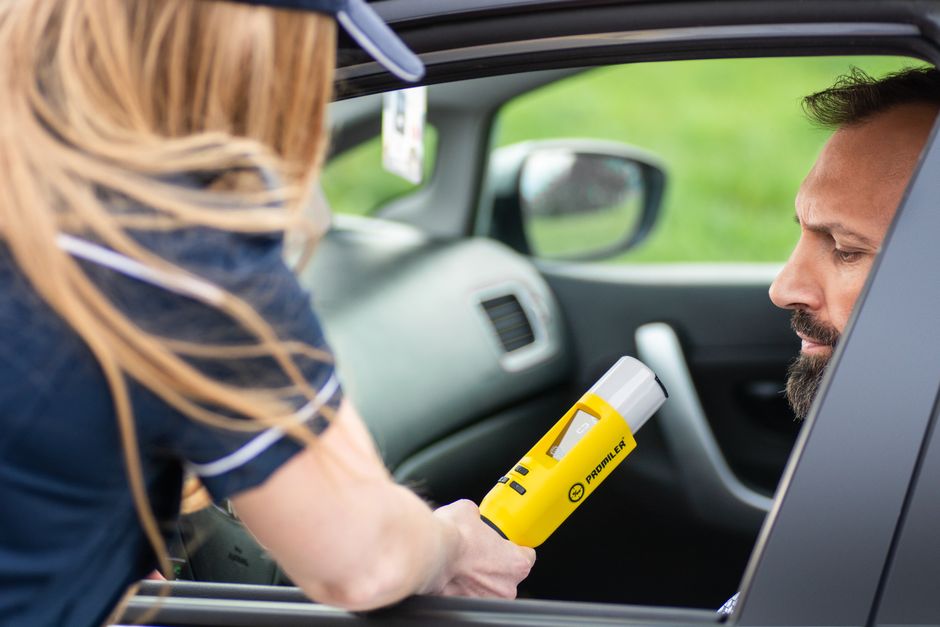
The FMCSA also enforces strict alcohol testing standards for CDL drivers under 49 CFR Part 382. Drivers found operating a CMV with a blood alcohol concentration (BAC) of 0.04% or higher are in violation of federal regulations. These testing and medical certification standards work together to create a comprehensive framework designed to keep impaired drivers off the road.
How the Medical Examiner Evaluates Alcohol Use During the DOT Physical
During the DOT physical, the medical examiner will review the driver’s medical history form, which includes questions about past and present alcohol use. Drivers are required to honestly disclose any history of alcohol use disorder, prior treatment programs, or related hospitalizations. Providing false information on this form is a federal violation and can result in disqualification and other serious consequences.
The examiner may ask follow-up questions based on the driver’s responses or based on findings from the physical examination. In some cases, the examiner may request additional documentation from a treating physician or counselor, particularly if the driver has a history of AUD but has completed a rehabilitation program. Medical examiners are looking for evidence that the condition is well-managed and does not pose a safety risk.
If the examiner has concerns but the driver is not currently disqualified, they may issue a certification with a shortened validity period — such as one year instead of two — so that the driver’s condition can be monitored more closely. This is a common outcome when drivers have a documented history but are currently in stable recovery.
The Role of FMCSA’s Substance Abuse Professional (SAP) Program
If a CDL driver violates DOT alcohol regulations — such as testing positive or refusing a test — they are immediately removed from safety-sensitive functions and required to complete the Return-to-Duty process. A key component of this process is evaluation and treatment by a DOT-qualified Substance Abuse Professional (SAP). The SAP is responsible for assessing the driver’s condition and recommending an appropriate education or treatment program.
After completing the SAP’s recommended program, the driver must pass a return-to-duty alcohol test before being allowed to resume safety-sensitive duties. Following the return-to-duty test, the driver is subject to a follow-up testing plan determined by the SAP, which typically includes unannounced testing over a period of time. This process is separate from the DOT physical but is closely related, as any unresolved SAP requirements can affect medical certification.
Drivers who are in the middle of the SAP process or who have not yet completed follow-up requirements should be aware that these factors are relevant to their overall DOT certification status. A thorough and transparent discussion with a certified DOT medical examiner is the best way to understand where you stand and what steps may be needed before certification can be issued or renewed.
Tips for CDL Drivers With a History of Alcohol Use Disorder
If you have a history of alcohol use disorder and are preparing for your DOT physical, preparation and transparency are your best tools. Gather documentation related to your diagnosis and treatment history, including discharge summaries, letters from counselors or physicians, and records of any ongoing support such as participation in a recovery program. Having organized records ready for the medical examiner demonstrates responsibility and makes the evaluation process more efficient.
Consider the following steps as you prepare:
- Be honest on your medical history form. Withholding information can result in disqualification and legal consequences.
- Bring documentation of completed treatment. Letters from treatment providers or counselors can support your case.
- Document your sobriety. Evidence of sustained recovery, such as participation in AA or other support programs, may be helpful.
- Consult your treating physician. A letter from your doctor outlining your current status and prognosis can assist the medical examiner.
- Understand that each case is evaluated individually. Do not assume disqualification without speaking directly to a certified DOT medical examiner.
It is also worth noting that simply having sought help for an alcohol problem in the past does not automatically disqualify a driver. The FMCSA’s standards are designed to evaluate current fitness for duty, not to permanently penalize drivers who have successfully addressed a health issue. Open communication with your examiner is essential to getting an accurate and fair evaluation.
Schedule Your DOT Physical at DotModesto.com in Modesto, CA
If you are a CDL driver in the Modesto area preparing for your DOT physical — whether for the first time or as a renewal — DotModesto.com is a trusted local resource. The clinic is operated by a Board-Certified Family Nurse Practitioner (FNP-BC) who is registered with the FMCSA’s National Registry of Certified Medical Examiners. Every exam is conducted with professionalism, thoroughness, and respect for each driver’s individual health history.
Whether you have a straightforward medical history or a more complex background involving conditions like alcohol use disorder, the team at DotModesto.com can walk you through the process and help you understand what to expect. Appointments are available for CDL drivers throughout the Modesto, CA area, and the clinic is committed to providing accurate, federally compliant evaluations.
Do not wait until your medical certificate expires. Call (350) 216-5774 or visit dotmodesto.com to schedule your DOT physical exam today. Taking a proactive approach to your health certification is one of the most important steps you can take for your career, your safety, and the safety of everyone sharing the road with you.
🛒 Recommended Products for CDL Drivers
As an Amazon Associate, Affection Health Care earns from qualifying purchases. This helps support our free health content for CDL drivers.
Comments are closed.