


Cataracts and CDL Medical Requirements: What Truck Drivers Need to Know
Introduction: Why Vision Standards Matter for Commercial Drivers
For commercial truck drivers, clear and reliable vision is not just a professional asset — it is a federally regulated requirement. The Federal Motor Carrier Safety Administration (FMCSA) sets specific vision standards that all CDL holders must meet during their DOT physical exam. Cataracts, one of the most common vision conditions affecting adults, can present a real challenge for drivers trying to maintain their medical certification. Understanding how cataracts interact with DOT medical requirements is essential for any commercial driver who wants to stay on the road legally and safely.
Whether you have been recently diagnosed or have been managing cataracts for years, knowing what examiners look for and what your options are can help you prepare for your next DOT physical. This article breaks down the relationship between cataracts and CDL medical requirements so you can approach your exam with confidence and clarity.
What Are Cataracts and How Do They Affect Vision?
A cataract is a clouding of the natural lens inside the eye. The lens sits behind the iris and pupil and plays a critical role in focusing light onto the retina. When the lens becomes cloudy, it scatters light rather than focusing it cleanly, leading to blurred vision, reduced contrast sensitivity, glare sensitivity, and difficulty seeing in low-light conditions. Cataracts typically develop gradually and are most common in older adults, though they can occur at any age.
For truck drivers, these visual changes can be particularly problematic. Glare from oncoming headlights, difficulty reading road signs at a distance, and reduced depth perception can all compromise driving safety. The severity of cataract-related vision impairment varies widely from person to person. Some drivers with early-stage cataracts may still meet FMCSA vision standards, while others with more advanced cataracts may struggle to pass the required visual acuity tests.
It is important to understand that having a cataract diagnosis does not automatically disqualify a driver from holding a CDL. What matters to the DOT examiner is whether your current visual function — with or without corrective lenses — meets the federally established standards at the time of your exam.
FMCSA Vision Standards for CDL Drivers
The FMCSA establishes minimum vision requirements that all CDL drivers must meet to receive a medical certificate. According to federal regulations, commercial drivers must have distant visual acuity of at least 20/40 in each eye individually and in both eyes together, with or without corrective lenses. Drivers must also have a horizontal field of vision of at least 70 degrees in each eye, and must be able to distinguish the colors of traffic signals and devices showing standard red, green, and amber.
During your DOT physical, the medical examiner will test each of these areas. If cataracts have reduced your visual acuity below 20/40 in one or both eyes — even with glasses or contacts — you may not meet the standard for interstate commercial driving. Similarly, if cataracts have contributed to significant loss of peripheral vision, this can also be a disqualifying factor. The examiner will document your visual acuity measurements and note whether corrective lenses were used.
Drivers who do not meet the standard vision requirements but have vision in only one eye, or who otherwise fall outside the standard, may be eligible to apply for a vision exemption through the FMCSA Vision Exemption Program. This is a federal program that allows certain qualified drivers to operate commercial vehicles despite not meeting the standard vision criteria. Consulting with a DOT-certified medical examiner is the best way to understand whether you might qualify for this pathway.
Cataract Surgery and Returning to CDL Driving
Cataract surgery is one of the most commonly performed and highly successful surgical procedures in the United States. During the procedure, the cloudy natural lens is removed and replaced with an artificial intraocular lens (IOL). For many drivers, cataract surgery can restore visual acuity to levels that meet or exceed FMCSA requirements, making it possible to continue their commercial driving career.
However, there are important considerations for CDL drivers following cataract surgery. You will need adequate healing time before returning to driving, and your post-surgical vision must be evaluated and documented. Your DOT medical examiner will need to verify that your corrected visual acuity meets the 20/40 standard in each eye following surgery. In some cases, a driver may still require glasses or contact lenses after surgery to achieve the necessary acuity.
If you have recently had cataract surgery, bring any documentation from your ophthalmologist to your DOT physical appointment. This can include surgical records, post-operative exam results, and a statement regarding your current visual status. Your medical examiner will review this information alongside their own vision testing to determine your certification status. Transparency with your examiner is always the best approach.
What to Expect at Your DOT Physical If You Have Cataracts
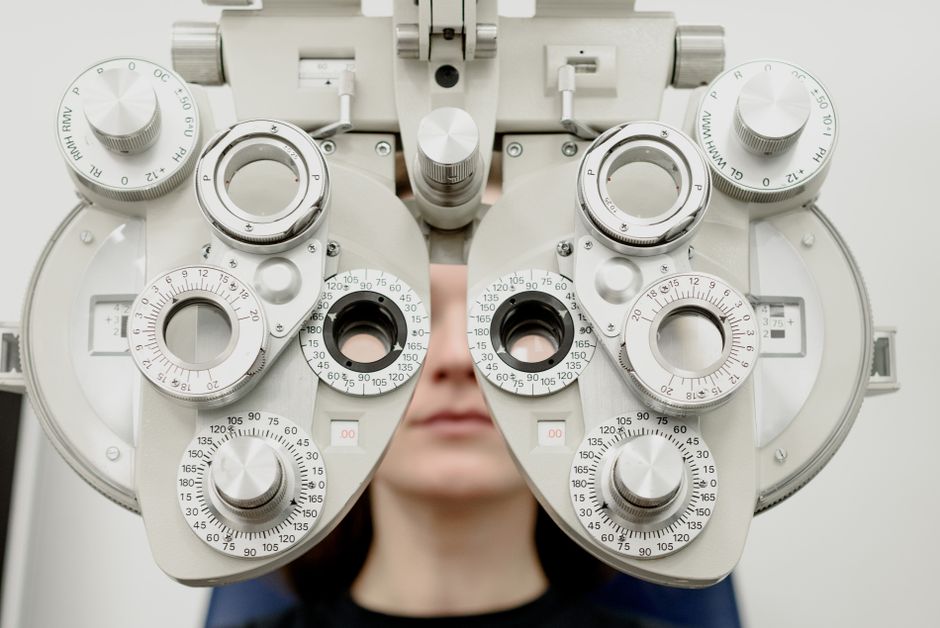
If you have been diagnosed with cataracts and are preparing for a DOT physical, knowing what to expect can reduce anxiety and help you come prepared. The vision portion of the exam includes a Snellen eye chart test to measure distant visual acuity in each eye, a check of peripheral vision, and a color recognition test. These are all performed by the DOT medical examiner at their facility.
Be sure to bring your glasses or contact lenses if you use them, as the examiner will test your vision both with and without correction when applicable. If you wear corrective lenses, your CDL medical certificate will note that restriction. You should also be prepared to disclose your cataract diagnosis and any treatments you have received. Medical examiners are required to review your medical history, and transparency helps ensure an accurate and fair evaluation.
At DotModesto.com, CDL drivers in Modesto and the surrounding Central Valley can receive a thorough DOT physical exam conducted by a Board-Certified Family Nurse Practitioner. The clinic is listed on the FMCSA National Registry of Certified Medical Examiners, meaning exams performed there are fully recognized for federal compliance purposes. Scheduling in advance can help you avoid delays that could affect your driving schedule.
Tips for CDL Drivers Managing Cataracts
If you are a commercial driver living with cataracts, there are proactive steps you can take to protect both your certification and your safety on the road.
- Schedule regular eye exams with an ophthalmologist or optometrist to monitor the progression of your cataracts.
- Keep records of all eye exams, surgical procedures, and visual acuity measurements to bring to your DOT physical.
- Use current prescription eyewear to ensure you are seeing as clearly as possible during your medical exam.
- Discuss surgical options with your eye doctor if your cataracts are advancing toward the point of interfering with FMCSA vision standards.
- Ask your DOT medical examiner about the FMCSA Vision Exemption Program if your vision does not meet the standard requirements.
- Avoid delaying your DOT physical — driving with an expired medical certificate is a serious violation regardless of your vision status.
Managing cataracts proactively gives you the best chance of maintaining your CDL and continuing your career without interruption. Early intervention and open communication with both your eye care provider and your DOT medical examiner are key components of a successful strategy.
Schedule Your DOT Physical at DotModesto.com in Modesto, CA
If you are a CDL driver in Modesto or the surrounding Central Valley area and need a DOT physical exam, Affection Health Care — the clinic behind dotmodesto.com — is here to help. The clinic is operated by a Board-Certified Family Nurse Practitioner and is listed on the FMCSA National Registry of Certified Medical Examiners. Whether you are coming in for a routine renewal or have a specific health concern like cataracts, you will receive a thorough and professional evaluation in a welcoming environment.
Getting your DOT physical completed promptly and correctly is essential to keeping your commercial driving career on track. Do not wait until your current medical certificate is about to expire — schedule ahead of time to avoid any gaps in coverage. Vision issues like cataracts can sometimes require follow-up documentation from your eye doctor, so giving yourself extra lead time is always a smart move.
To book your DOT physical exam, visit dotmodesto.com or call (350) 216-5774 today. The team at Affection Health Care is committed to helping CDL drivers in Modesto stay compliant, stay informed, and stay safe on the road.
🛒 Recommended Products for CDL Drivers
As an Amazon Associate, Affection Health Care earns from qualifying purchases. This helps support our free health content for CDL drivers.
Comments are closed.