


DOT Physical EMG & Nerve Conduction Requirements: What CDL Drivers Need to Know
Understanding DOT Physical Requirements and Neurological Testing
For commercial driver’s license (CDL) holders, passing a DOT physical examination is a legal requirement to operate a commercial motor vehicle (CMV) on public roads. The Federal Motor Carrier Safety Administration (FMCSA) sets the medical standards that all CDL drivers must meet, and these standards include evaluation of the nervous system. When a medical examiner has concerns about a driver’s neurological health, additional diagnostic testing — including electromyography (EMG) and nerve conduction studies (NCS) — may become part of the certification process.
Understanding what these tests are, why they might be requested, and how they fit into the DOT physical process can help CDL drivers prepare and avoid unexpected delays in their certification. Whether you are a long-haul trucker, a local delivery driver, or a bus operator, neurological health directly affects your ability to safely operate a CMV. Being informed is the first step toward staying compliant and keeping your career on track.
This article breaks down what EMG and nerve conduction studies are, when the FMCSA may require them, and what CDL drivers should expect if their DOT medical examiner orders this type of testing.
What Are EMG and Nerve Conduction Studies?
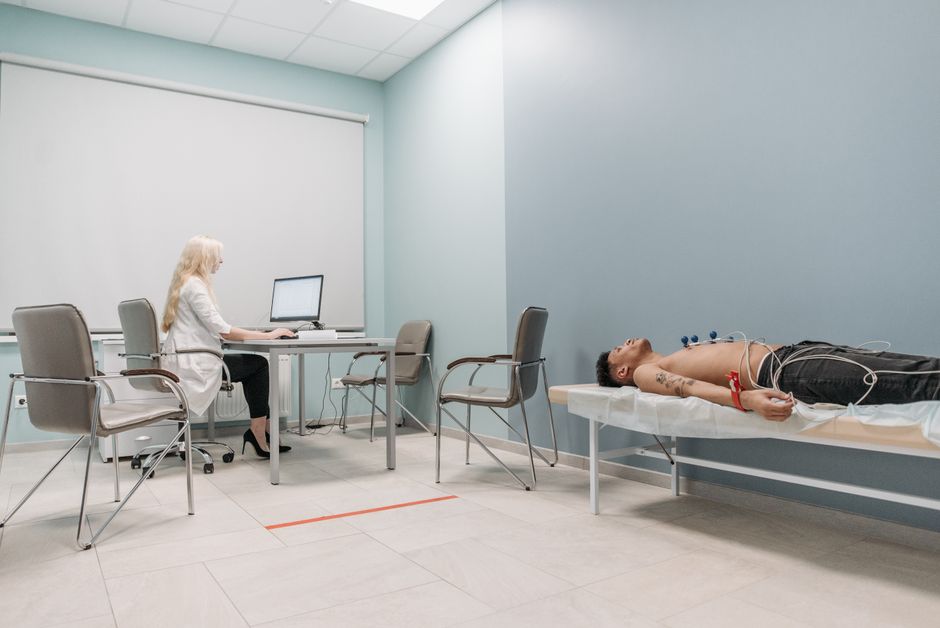
Electromyography (EMG) and nerve conduction studies (NCS) are diagnostic tests used to evaluate the health and function of muscles and the nerves that control them. These tests are typically performed by a neurologist or physiatrist and are used to identify conditions such as peripheral neuropathy, carpal tunnel syndrome, radiculopathy (nerve root compression), and other neuromuscular disorders. They are not the same as an MRI or X-ray — they specifically measure electrical activity in nerves and muscles.
During a nerve conduction study, small electrodes are placed on the skin to deliver mild electrical impulses and measure how quickly and effectively nerve signals travel. An EMG, on the other hand, involves the insertion of a thin needle electrode into specific muscles to record their electrical activity both at rest and during contraction. Together, these two tests give a clinician a detailed picture of how the peripheral nervous system and muscles are functioning.
For CDL drivers, these tests are relevant because certain neurological conditions can impair the ability to safely operate a commercial vehicle. Weakness, loss of sensation, or poor coordination can affect reaction time, steering control, and brake response — all of which are critical to road safety.
When Does the FMCSA Require Neurological Testing for CDL Drivers?
The FMCSA does not automatically require EMG or nerve conduction testing for every CDL driver. However, a DOT medical examiner has the authority to request additional testing when a physical examination reveals findings that suggest a possible neurological condition. This could include documented weakness in the extremities, reported numbness or tingling, a history of neurological disorders, or symptoms that could affect safe vehicle operation.
According to FMCSA guidelines, drivers must be free from any condition likely to interfere with their ability to safely operate a CMV. Neurological conditions such as peripheral neuropathy, uncontrolled epilepsy, or significant limb weakness may be disqualifying — or may require further evaluation before a medical certificate can be issued. EMG and NCS results help the examiner determine whether a driver’s condition falls within acceptable safety standards.
It is important to understand that being referred for additional neurological testing does not automatically mean a driver will be disqualified. It means the examiner needs more information to make an informed and accurate determination. Drivers who are transparent about their symptoms and medical history help the process move forward more efficiently.
Common Conditions That May Trigger a Referral for EMG or NCS
Several conditions commonly seen in truck drivers may prompt a DOT medical examiner to order EMG or nerve conduction testing. One of the most prevalent is peripheral neuropathy, which can result from diabetes — a condition that affects a significant portion of the CDL driver population. Diabetic peripheral neuropathy can cause numbness, tingling, and weakness in the hands and feet, which may compromise a driver’s ability to feel brake pedals or maintain grip on a steering wheel.
Other conditions that may lead to a neurological referral include:
- Carpal tunnel syndrome — often seen in drivers due to prolonged vibration and repetitive hand movements
- Cervical or lumbar radiculopathy — nerve compression in the neck or lower back that can cause radiating pain, weakness, or numbness
- History of stroke or TIA — where residual neurological deficits may need to be assessed
- Guillain-Barré syndrome (history of) — to evaluate the degree of recovery and any remaining weakness
- Unexplained muscle weakness or atrophy — particularly in the arms or legs
If a driver has been previously diagnosed with any of these conditions, bringing complete medical records and specialist notes to the DOT physical can help streamline the evaluation process. A DOT-certified medical examiner will use this documentation alongside any required testing to make a fair and thorough certification decision.
How EMG and NCS Results Affect DOT Certification
Once EMG and nerve conduction study results are available, the DOT medical examiner reviews them in the context of the driver’s overall health, occupational demands, and FMCSA medical standards. The results are not evaluated in isolation — they are part of a broader clinical picture. A driver with mild carpal tunnel syndrome and no functional impairment, for example, may still qualify for a full two-year medical certificate.
In cases where the test results reveal more significant neurological impairment, the examiner may issue a conditional certification, recommend treatment or management before re-evaluation, or in some cases determine that the driver does not currently meet federal medical standards. FMCSA also provides a waiver and exemption program for certain conditions, which may allow some drivers with specific diagnoses to continue operating under specific conditions.
Drivers should work closely with both their treating neurologist and their DOT medical examiner to ensure that all documentation is thorough and up to date. Gaps in medical records or incomplete test results can cause unnecessary delays in the certification process.
Preparing for Your DOT Physical When Neurological Issues Are a Concern
Preparation is key for any CDL driver who knows they have a neurological condition or has previously been referred for neurological testing. Before your DOT physical, gather all relevant medical records, including specialist reports, EMG and NCS test results, treatment plans, and any letters from your treating physician regarding your functional status. The more complete your documentation, the smoother your appointment will go.
Be honest with your DOT medical examiner about your symptoms and medical history. Attempting to conceal a condition is not only dangerous — it can result in disqualification and legal consequences if discovered. A knowledgeable and experienced medical examiner will evaluate your full situation and apply FMCSA standards fairly and accurately.
If you are unsure whether your neurological condition may affect your CDL certification, consider scheduling a consultation with a certified DOT medical examiner before your official physical. This gives you an opportunity to ask questions, understand the standards that apply to your situation, and gather any additional documentation you may need.
Schedule Your DOT Physical at Affection Health Care in Modesto
If you are a CDL driver in the Central Valley area and need a DOT physical — including evaluation of neurological concerns — Affection Health Care in Modesto, CA is here to help. The clinic is operated by a Board-Certified Family Nurse Practitioner (FNP-BC) who is certified by the FMCSA National Registry of Certified Medical Examiners. The team understands the unique occupational demands placed on commercial drivers and is committed to thorough, respectful, and efficient examinations.
At DotModesto.com, you can learn more about the DOT physical process, what to bring to your appointment, and how neurological and other medical conditions are evaluated under FMCSA standards. The clinic serves CDL drivers, truck drivers, bus operators, and other commercial vehicle operators throughout Modesto and the surrounding communities.
Do not let uncertainty about your medical status put your CDL career on hold. Call (350) 216-5774 or visit dotmodesto.com to schedule your DOT physical examination today. A certified, knowledgeable examiner is ready to guide you through the process and help you stay safely on the road.
🛒 Recommended Products for CDL Drivers
As an Amazon Associate, Affection Health Care earns from qualifying purchases. This helps support our free health content for CDL drivers.
Comments are closed.