


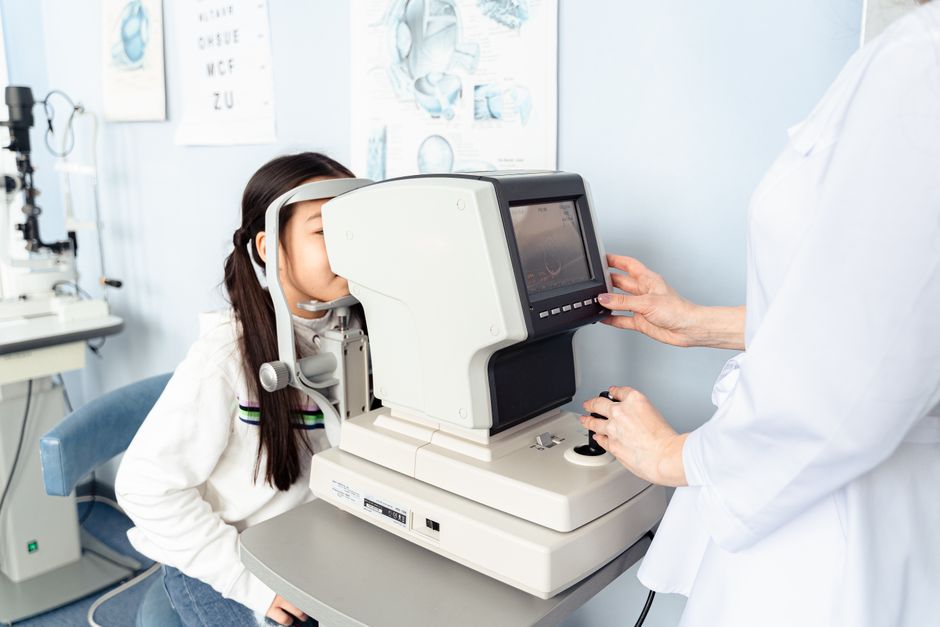
Diabetic Retinopathy and Your CDL License: What Truck Drivers Need to Know
Understanding the Connection Between Diabetic Retinopathy and Commercial Driving
For commercial truck drivers, maintaining a valid CDL license depends heavily on meeting the Federal Motor Carrier Safety Administration (FMCSA) medical standards — and vision is one of the most critical requirements on the list. Diabetic retinopathy, a complication of diabetes that affects the blood vessels in the retina, can pose a serious challenge to meeting those standards. If you are a CDL driver managing diabetes, understanding how this condition can affect your vision and your career is essential.
Diabetic retinopathy develops when elevated blood sugar levels damage the tiny blood vessels that supply the retina. Over time, this damage can lead to blurred vision, blind spots, floaters, and in severe cases, significant vision loss. Because commercial drivers are responsible for operating large vehicles at high speeds and in complex traffic environments, even subtle changes in vision can have serious safety implications on the road.
This article outlines what CDL drivers need to know about diabetic retinopathy, how it relates to FMCSA vision standards, and why staying proactive about your eye health could protect both your license and your livelihood.
FMCSA Vision Standards for Commercial Drivers
The FMCSA sets specific vision requirements that all commercial drivers must meet to qualify for a DOT medical certificate. To pass the vision portion of a DOT physical, a driver must have distant visual acuity of at least 20/40 in each eye, with or without corrective lenses. Drivers must also demonstrate a field of vision of at least 70 degrees in the horizontal meridian in each eye and the ability to recognize the colors of traffic signals.
Diabetic retinopathy can interfere with several of these requirements. As the disease progresses, it may reduce visual acuity, narrow the visual field, or impair contrast sensitivity — all factors that a DOT medical examiner will evaluate during your physical. If your vision does not meet the minimum standards, you may be disqualified from operating a commercial motor vehicle until the condition is addressed.
It is important to note that wearing corrective lenses — glasses or contacts — is permitted under FMCSA standards. However, corrective lenses cannot compensate for vision loss caused by retinal damage. This is why regular eye exams and early intervention for diabetic retinopathy are so critical for drivers who want to stay on the road.
The Stages of Diabetic Retinopathy and What They Mean for Drivers
Diabetic retinopathy progresses through several stages, and the impact on a driver’s vision varies significantly depending on how advanced the condition is. In the early stages, known as nonproliferative diabetic retinopathy, small blood vessels in the retina leak fluid or bleed. Many drivers may not notice any symptoms at this stage, which makes routine eye examinations especially important.
As the condition advances to proliferative diabetic retinopathy, new abnormal blood vessels begin to grow on the surface of the retina. These fragile vessels can bleed into the vitreous — the gel-like substance inside the eye — causing floaters or sudden vision loss. At this stage, the risk of failing to meet FMCSA vision standards increases substantially.
Macular edema, a related complication in which fluid accumulates in the central part of the retina, can also occur at any stage and may significantly reduce central visual acuity. For CDL drivers, any of these advanced changes can make it difficult or impossible to meet federal vision requirements without medical treatment and careful monitoring by a qualified eye care specialist.
How Diabetic Retinopathy Is Evaluated During a DOT Physical
During your DOT physical, the certified medical examiner will conduct a vision screening using a Snellen eye chart or similar tool to assess visual acuity and will check your peripheral vision. The examiner will also review your medical history, including any diabetes diagnosis and current medications. If you have disclosed a diabetes diagnosis, the examiner may ask for additional documentation from your treating physicians.
It is important to be honest and complete when disclosing your medical history during a DOT physical. Failing to disclose a diabetes diagnosis or vision-related complications can result in disqualification or legal consequences down the road. A knowledgeable DOT medical examiner will work with your documentation and help determine whether you meet the standards for certification.
If your vision does not meet the federal minimum requirements due to diabetic retinopathy or any other condition, the examiner cannot certify you to drive commercially until the issue is resolved. In some cases, drivers may be eligible for a federal vision exemption program, which allows drivers who do not meet standard visual acuity requirements in one eye to apply for an exemption. Consulting with a certified DOT medical examiner can help you understand your options.
Managing Diabetic Retinopathy to Protect Your CDL
The most effective way to protect your vision — and your CDL license — is to manage your diabetes diligently and monitor your eye health on a consistent basis. Controlling blood sugar, blood pressure, and cholesterol levels are all proven strategies for slowing the progression of diabetic retinopathy. Working closely with your primary care provider and following your treatment plan is essential.
Annual dilated eye exams with an ophthalmologist or optometrist are strongly recommended for anyone with diabetes, and may be recommended more frequently if retinopathy has already been detected. Early-stage retinopathy can often be managed effectively with lifestyle changes and close monitoring, while more advanced cases may require treatments such as laser therapy, injections, or surgery.
- Control blood glucose levels through diet, exercise, and medication as prescribed.
- Attend regular dilated eye exams to catch retinopathy early before it affects visual acuity.
- Keep blood pressure and cholesterol in check to reduce vascular damage to the retina.
- Communicate with your DOT medical examiner about any changes in your vision or diabetes management.
- Follow up promptly with an eye care specialist if you notice floaters, blurring, or sudden vision changes.
What to Bring to Your DOT Physical If You Have Diabetes
If you have been diagnosed with diabetes, coming prepared to your DOT physical can make the process smoother and help ensure accurate certification. Bring documentation from your treating physician that outlines your current diabetes management plan, your most recent A1C results, and a list of all medications you are taking. If you have been treated for diabetic retinopathy, bring records from your eye care provider as well.
Drivers who are managing diabetes with insulin should be aware that insulin use carries additional FMCSA review requirements. Under a federal diabetes exemption program, insulin-treated drivers may still be eligible for commercial certification, but the process requires thorough medical documentation and periodic review. A certified DOT medical examiner can guide you through the specific requirements that apply to your situation.
Being organized and transparent during your exam not only helps the examiner make an accurate determination — it also demonstrates that you are actively managing your health and taking your responsibilities as a professional driver seriously.
Schedule Your DOT Physical in Modesto, CA
If you are a CDL driver managing diabetes or concerned about how diabetic retinopathy may affect your commercial license, getting your DOT physical from a knowledgeable and experienced certified medical examiner is an important first step. DotModesto.com, operated by a Board-Certified Family Nurse Practitioner in Modesto, CA, provides thorough and professional DOT physical exams for commercial drivers throughout the Central Valley.
The team at Affection Health Care understands the unique medical and regulatory challenges that professional drivers face, including those related to diabetes and vision requirements. Whether you need a routine certification exam or have specific medical concerns to discuss, they are equipped to help you navigate the FMCSA standards with confidence. You can reach the clinic at (350) 216-5774 or visit dotmodesto.com to learn more and book your appointment.
Do not wait until your medical certificate is about to expire — especially if you have an ongoing health condition like diabetes. Schedule your DOT physical today, stay proactive about your eye health, and keep your career on the road where it belongs.
🛒 Recommended Products for CDL Drivers
As an Amazon Associate, Affection Health Care earns from qualifying purchases. This helps support our free health content for CDL drivers.
Comments are closed.