


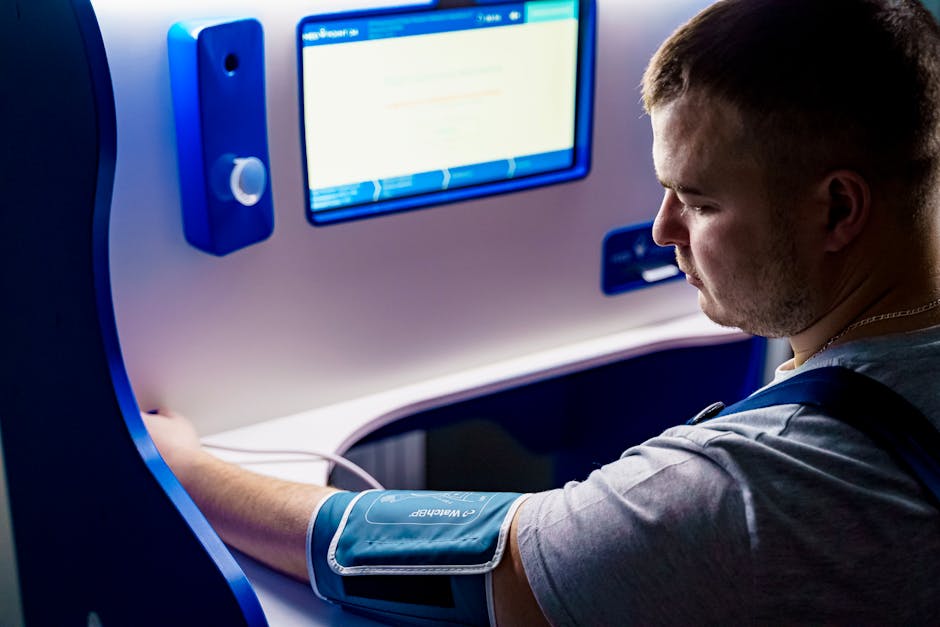
DOT Physical Blood Pressure Limits Explained: What Drivers Need to Know
Understanding DOT Physical Blood Pressure Requirements
If you hold a commercial driver’s license or are working toward one, passing a DOT physical exam is a non-negotiable part of the process. Among the many health criteria evaluated during the exam, blood pressure is one of the most closely scrutinized. The Federal Motor Carrier Safety Administration (FMCSA) has established clear blood pressure guidelines that every commercial driver must meet in order to receive medical certification. Understanding these requirements ahead of time can help you avoid surprises and keep your driving career on track.
High blood pressure, also known as hypertension, is extremely common among adults in the United States. For commercial drivers who spend long hours behind the wheel, managing blood pressure is especially important — not just for certification purposes, but for overall health and road safety. The DOT physical blood pressure standards exist to ensure that drivers are physically capable of operating large commercial vehicles safely, reducing the risk of sudden incapacitation while driving.
Whether you are going through your first DOT physical or renewing an existing medical certificate, knowing where you stand with your blood pressure before your appointment can make the process much smoother. This article breaks down the FMCSA blood pressure categories, what each one means for your certification, and what steps you can take to protect your livelihood.
The FMCSA Blood Pressure Categories Explained
The FMCSA divides blood pressure readings into distinct categories that determine a driver’s certification status and the length of the medical certificate issued. These categories are based on the systolic reading (the top number) and the diastolic reading (the bottom number) measured in millimeters of mercury (mmHg).
- Stage 1 (140–159 systolic / 90–99 diastolic): Drivers in this range can still be certified, but their medical certificate is limited to one year instead of the standard two years. The examiner will recommend follow-up and blood pressure management.
- Stage 2 (160–179 systolic / 100–109 diastolic): Drivers in this range may receive a one-time certification for three months. During that time, blood pressure must be reduced to Stage 1 or lower and treated, or the driver will not be recertified.
- Stage 3 (180 or higher systolic / 110 or higher diastolic): Drivers at this level are disqualified from receiving a medical certificate until blood pressure is brought under control. This is considered an immediate disqualifying condition.
It is important to note that a reading below 140/90 mmHg is generally considered acceptable for a standard two-year medical certificate, assuming no other disqualifying conditions are present. These thresholds apply at the time of the physical exam, so what you measure at home or at a pharmacy kiosk may not reflect your reading in a clinical setting.
What Happens If Your Blood Pressure Is Too High at Your Exam
Discovering that your blood pressure is elevated during a DOT physical can be stressful, but it does not necessarily mean the end of your certification. The outcome depends on how high the reading is and whether you are already being treated for hypertension. A certified DOT medical examiner will review the reading in the context of your overall health history, medications, and any other conditions that may be present.
If your blood pressure falls into the Stage 2 range, the examiner may issue a temporary certificate and give you time to get your pressure under control with the help of your primary care provider. Once you can demonstrate that your blood pressure is managed and within an acceptable range, you may be eligible for recertification. Drivers receiving treatment with antihypertensive medications are not automatically disqualified — what matters is whether the blood pressure is adequately controlled and whether the medication itself causes any side effects that could impair driving ability.
If your reading is in the Stage 3 range, the examiner is required to disqualify you from receiving a certificate at that time. The priority becomes getting treatment and bringing blood pressure to a safer level before returning for another exam. It is always best to address known blood pressure issues with your physician well before your scheduled DOT physical to avoid disruption to your work schedule.
White Coat Hypertension and Its Impact on DOT Exams
Many drivers experience what is known as white coat hypertension — a temporary spike in blood pressure that occurs in medical settings due to anxiety or stress. This is a recognized phenomenon and can cause an otherwise healthy driver to record a higher-than-normal reading during the exam. While DOT medical examiners are aware of this possibility, the reading taken at the time of the exam is what must meet the certification standard.
If you suspect white coat hypertension may affect your results, there are a few practical steps that may help. Arriving early to allow yourself time to relax, avoiding caffeine on the day of the exam, and practicing deep breathing before the reading are commonly suggested strategies. Some drivers choose to monitor their blood pressure regularly at home using a validated home monitor so they can identify patterns and bring documentation to their exam.
Discussing white coat hypertension with your examiner is always appropriate. While it does not change the measurement standard required for certification, it may provide helpful context and guide the conversation about your overall cardiovascular health.
Managing Blood Pressure as a Commercial Driver
Long-haul and commercial driving presents unique challenges for maintaining healthy blood pressure. Irregular sleep schedules, high-sodium diets on the road, limited opportunities for physical activity, and significant job-related stress can all contribute to elevated blood pressure over time. Being proactive about lifestyle habits is one of the most effective tools available to commercial drivers who want to maintain their certification year after year.
Some strategies that are commonly associated with supporting healthy blood pressure include reducing sodium intake, staying well-hydrated, maintaining a healthy weight, getting regular physical activity, limiting alcohol consumption, and avoiding tobacco products. If you have been prescribed blood pressure medication, taking it consistently as directed by your physician is critical — not only for your certification but for your long-term health.
Regular check-ins with your primary care provider between DOT physical exams are strongly encouraged. Catching and managing blood pressure issues early gives you the best chance of staying certified without interruption and protecting the career you have worked hard to build.
How Blood Pressure Fits Into the Broader DOT Physical
Blood pressure is just one component of a comprehensive DOT physical exam. The examination also evaluates vision, hearing, cardiovascular health, neurological function, musculoskeletal condition, and several other factors that affect a driver’s ability to safely operate a commercial motor vehicle. All of these elements work together to form a complete picture of a driver’s fitness for duty.
The DOT physical must be performed by a medical examiner who is listed on the FMCSA National Registry of Certified Medical Examiners. Not every healthcare provider is qualified or authorized to conduct these exams, so choosing the right clinic matters. The examiner’s role is not just to check boxes — it is to have a thorough, informed conversation with you about your health and ensure the certification process is handled accurately and professionally.
Schedule Your DOT Physical in Modesto, CA
If you are a CDL or commercial driver in the Central Valley area and need a DOT physical, Affection Health Care in Modesto is here to help. The clinic is operated by a Board-Certified Family Nurse Practitioner (FNP-BC) and is listed on the FMCSA National Registry, meaning your exam will be conducted by a qualified, certified DOT medical examiner. The team understands the demands of the trucking industry and is committed to providing efficient, thorough, and professional service so you can get back on the road with confidence.
For drivers with blood pressure concerns or other health conditions that may affect certification, the clinic provides a knowledgeable and supportive environment to address your questions and work through the process. You can find more information and schedule your appointment at dotmodesto.com or call directly at (350) 216-5774. Do not wait until your certificate expires — schedule your DOT physical today and make sure you are ready to meet every requirement with confidence.
🛒 Recommended Products for CDL Drivers
As an Amazon Associate, Affection Health Care earns from qualifying purchases. This helps support our free health content for CDL drivers.
Comments are closed.